Best Books Roundups
Why we think what we think, do what we do, and change (or fail to). From more than 800 books honored across a decade of the Non-Obvious Book Awards, these are the ones we most recommend on the strange, fascinating workings of the human mind.
*This list does not include books published in 2026, which are currently under review as part of our 2026 awards program.
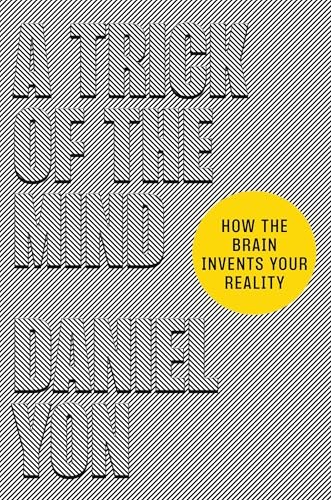
by Daniel Yon
Cognitive neuroscientist Daniel Yon reveals that the brain is less a camera than a prediction machine, constantly guessing at reality and usually getting away with it.
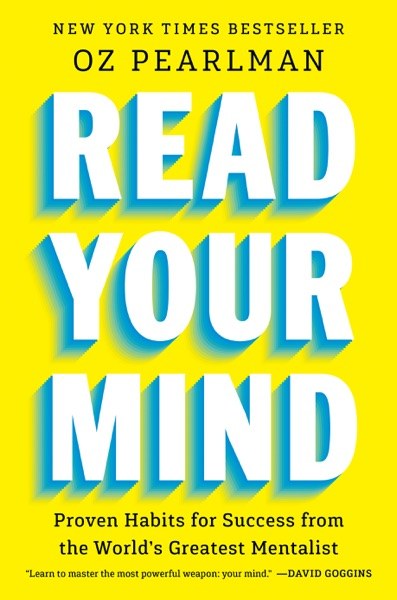
by Oz Pearlman
Celebrity mentalist Oz Pearlman pulls back the curtain on how he reads people, turning his stage techniques into practical lessons in attention, connection and influence.
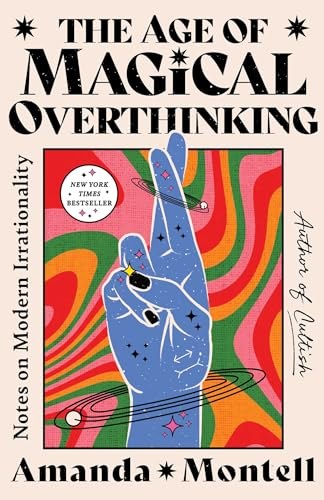
by Amanda Montell
Amanda Montell examines the cognitive biases quietly running our modern lives, from celebrity worship to sunk costs, with wit and unusual honesty.
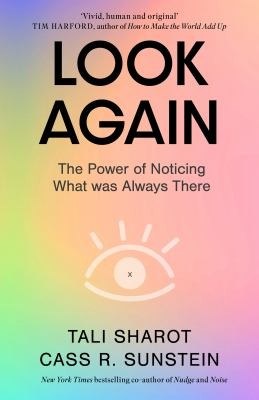
by Tali Sharot and Cass R. Sunstein
Tali Sharot and Cass Sunstein explain habituation: why we stop noticing what is constant, and how dishabituating can refresh everything from marriages to morality.
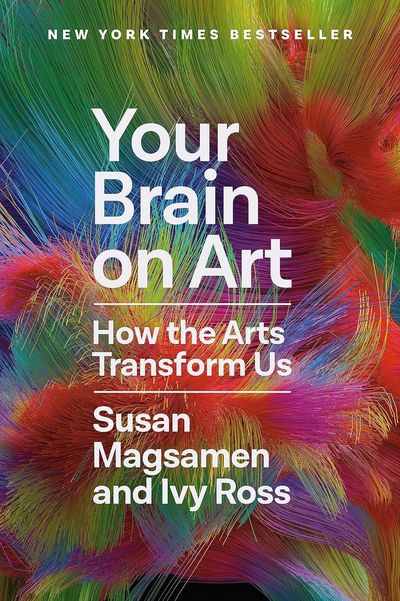
by Susan Magsamen and Ivy Ross
Susan Magsamen and Ivy Ross gather the neuroscience showing that art and aesthetic experience measurably change our brains and bodies. Our Most Shareable Book of 2023.
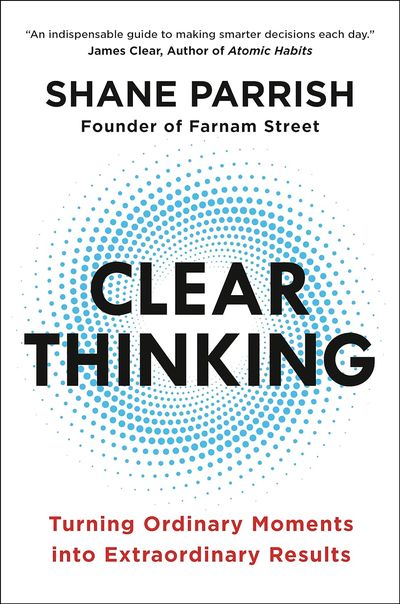
by Shane Parrish
Farnam Street founder Shane Parrish shows that good judgment is less about intelligence and more about managing the defaults that hijack us in ordinary moments.
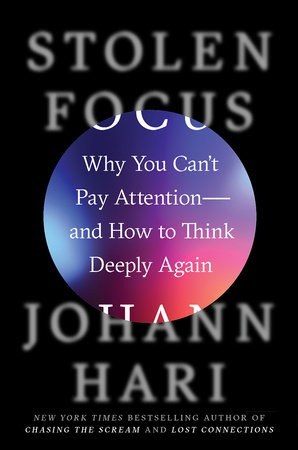
by Johann Hari
Johann Hari investigates why our attention is collapsing, and finds a dozen forces, most of them external, stealing our ability to think deeply. Our Most Important Book of 2022.
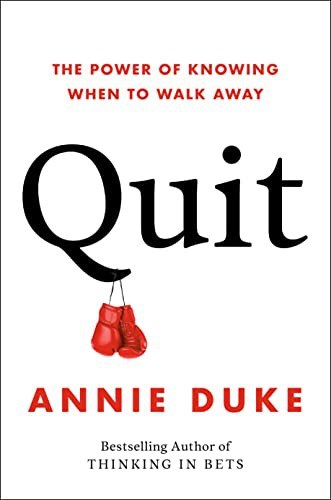
by Annie Duke
Former professional poker player Annie Duke makes the evidence-based case that walking away is a skill, and that knowing when to quit is the secret partner of grit. Our Most Shareable Book of 2022.
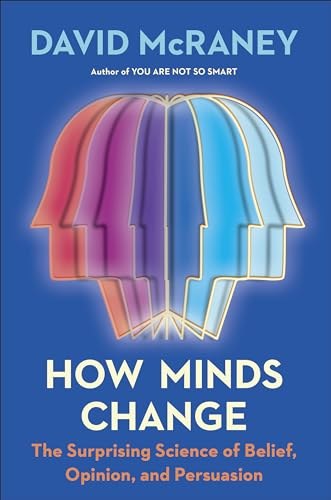
by David McRaney
David McRaney set out to learn how people abandon deeply held beliefs, and returns with a fascinating tour of deep canvassing, persuasion science and genuine open-mindedness.
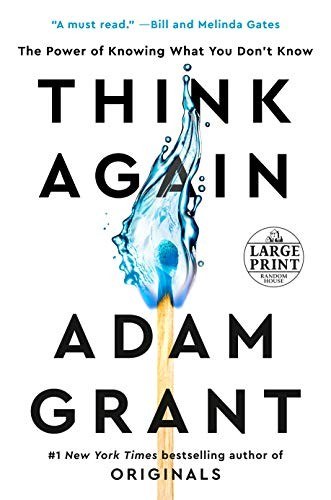
by Adam Grant
Adam Grant makes the case for the skill we need most and practice least: rethinking. Knowing what you do not know beats defending what you do. Our Most Useful Book of 2021.
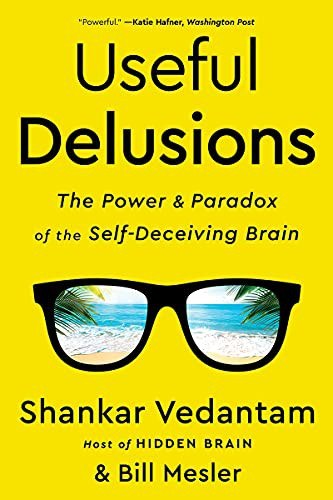
by Shankar Vedantam and Bill Mesler
Hidden Brain host Shankar Vedantam explores the surprising upside of self-deception, and why some illusions hold lives, families and societies together.
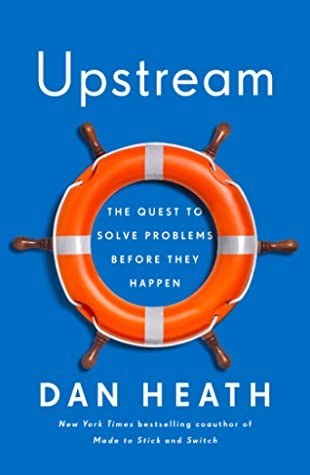
by Dan Heath
Dan Heath asks why we spend our lives reacting to problems we could have prevented, and profiles the people who moved upstream to stop trouble before it starts.
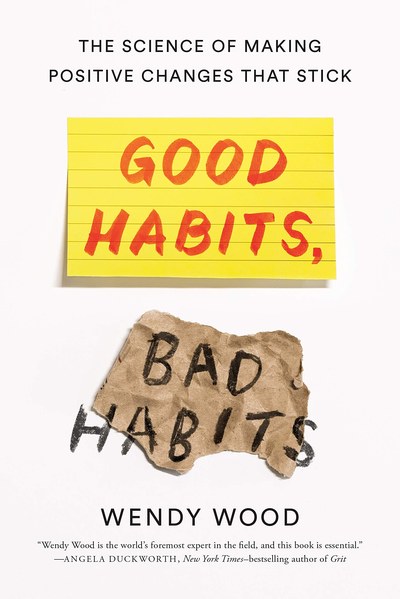
by Wendy Wood
Psychologist Wendy Wood brings three decades of original research on how habits actually form, and why willpower is the wrong tool for changing them.
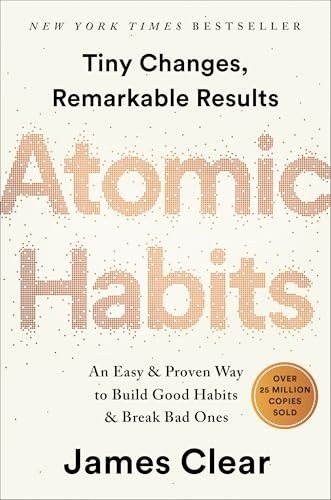
by James Clear
James Clear’s system for getting one percent better every day, built on the compounding power of tiny changes. One of the most useful books of the decade by any measure.
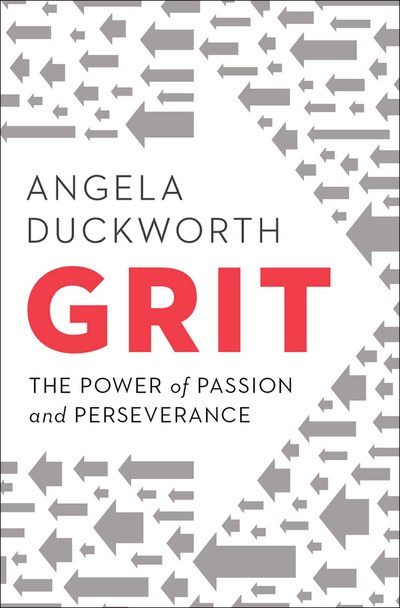
by Angela Duckworth
Angela Duckworth’s landmark research on why passion and perseverance predict success better than talent, and how grit can be grown.
by Katty Kay and Claire Shipman
Katty Kay and Claire Shipman investigate the science and art of self-assurance, and why closing the confidence gap matters as much as competence. Our Most Important Book of 2014.
Keep Exploring
Browse the full archive of winners, shortlists and 100-book longlists from every year of the Non-Obvious Book Awards.
Explore The Archive →
Stay Non-Obvious
Subscribe to the Non-Obvious Newsletter and get a weekly Non-Obvious Book of the Week recommendation, award winner announcements and the non-obvious stories 25,000+ readers look forward to every Thursday.
Subscribe Free →One email every Thursday. No spam, unsubscribe anytime.