Best Books Roundups
Non-obvious thinking begins with seeing what others miss. From more than 800 books honored across a decade of the Non-Obvious Book Awards, these are the ones we most recommend on creativity and innovation: where ideas come from, how to champion them inside organizations that resist them, and why the most original thinkers see the world differently.
*This list does not include books published in 2026, which are currently under review as part of our 2026 awards program.
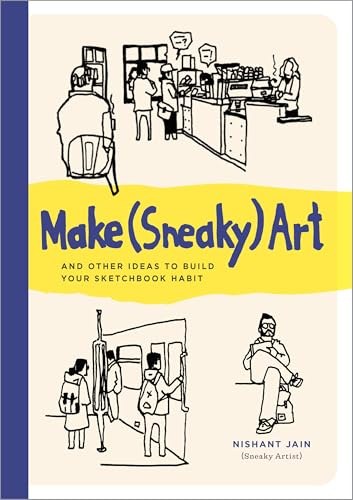
by Nishant Jain
The artist behind SneakyArt makes the case that creativity is a practice, not a talent. Drawing the world around you, he argues, changes how you see everything in it.
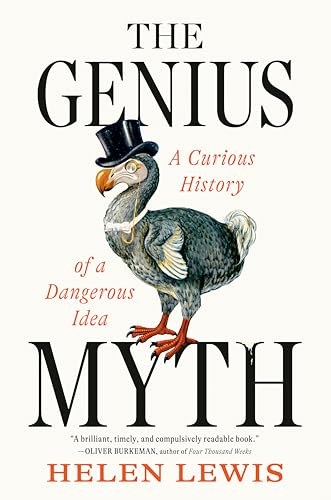
by Helen Lewis
Journalist Helen Lewis gleefully dismantles the myth of the lone genius, showing how our worship of brilliant individuals shortchanges the teams and conditions that actually produce great work.
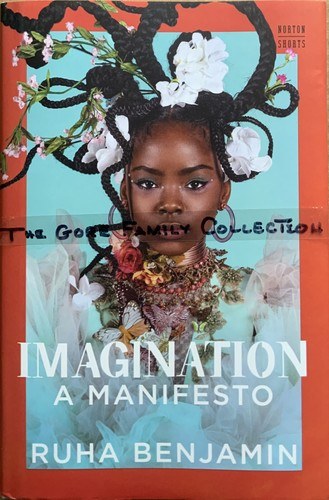
by Ruha Benjamin
Princeton professor Ruha Benjamin argues that imagination is a muscle for collective change, and that the futures we build begin with the ones we dare to picture.
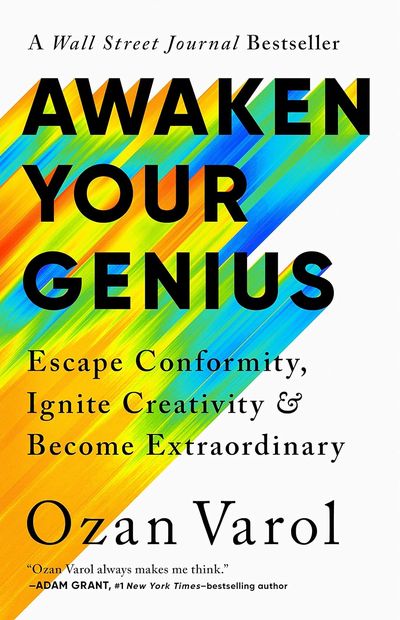
by Ozan Varol
Rocket scientist turned law professor Ozan Varol offers a guide to shedding borrowed thinking, unlearning conformity and recovering the original thinker you started out as.
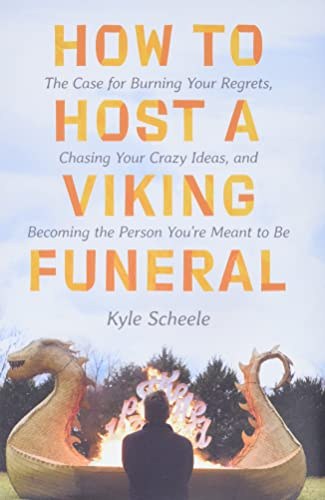
by Kyle Scheele
Kyle Scheele asked strangers for the regrets and crazy ideas they wanted to release, then burned 20,000 of them in a cardboard Viking ship. A joyful experiment in creative permission.
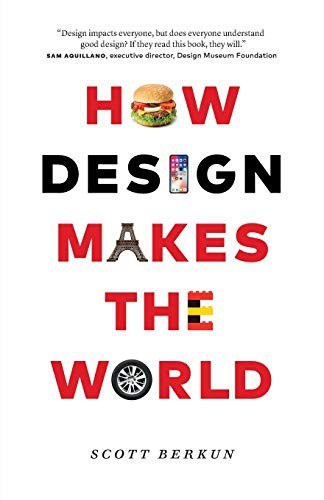
by Scott Berkun
Scott Berkun reveals the invisible design decisions behind everything you touch, and gives you the vocabulary to see the made world with fresh eyes.
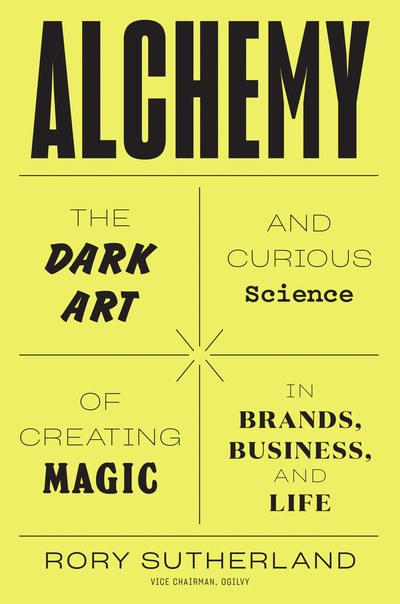
by Rory Sutherland
Ogilvy vice chairman Rory Sutherland celebrates ideas that make no logical sense but work anyway, and explains why the opposite of a good idea can be another good idea.
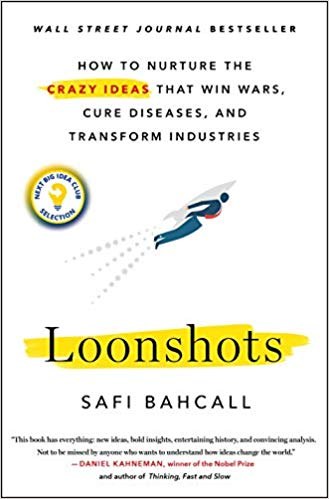
by Safi Bahcall
Physicist and entrepreneur Safi Bahcall explains why organizations kill their wildest ideas, and the structures that let loonshots survive long enough to change the world.
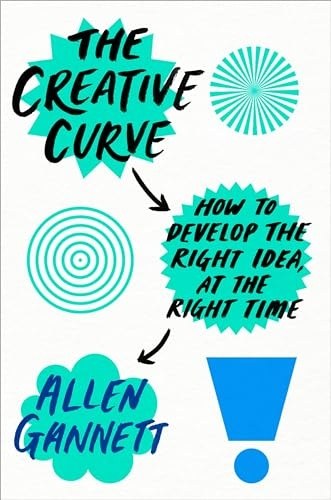
by Allen Gannett
Allen Gannett punctures the inspiration myth with data, showing that creative hits follow a learnable curve between the familiar and the novel.
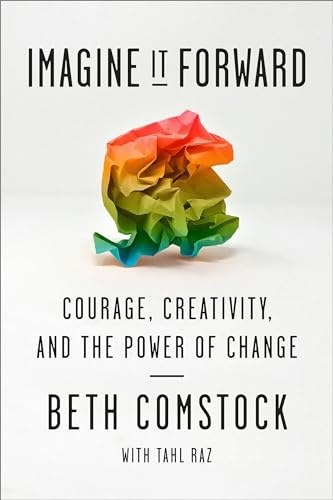
by Beth Comstock
Former GE vice chair Beth Comstock delivers a candid account of championing change inside a giant company, and what it takes to give new ideas room in old institutions.
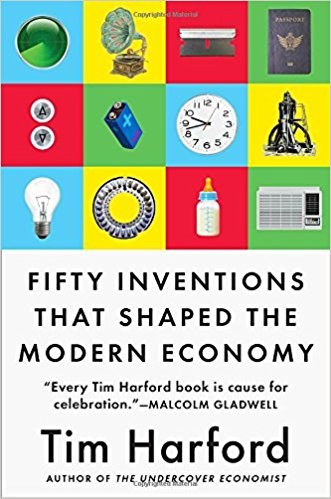
by Tim Harford
Tim Harford turns the history of innovation into an addictive tour of fifty world-changing inventions, from barbed wire to the barcode. Our Most Entertaining Book of 2017.
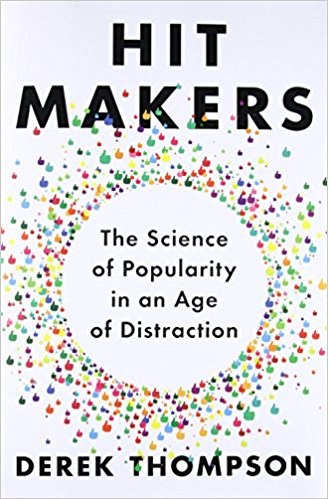
by Derek Thompson
Derek Thompson decodes the science of popularity: why some creations catch on while equally good ones vanish, and what making a hit really requires.
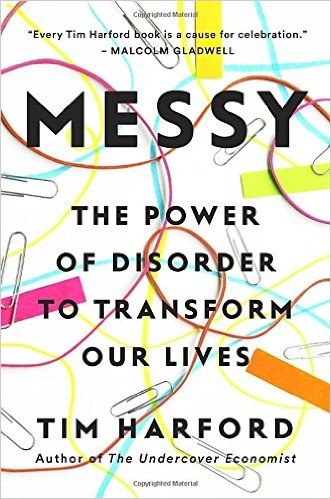
by Tim Harford
Tim Harford builds a counterintuitive case for disorder, showing why messiness, disruption and improvisation are so often the raw ingredients of creativity. Our Most Original Book of 2016.
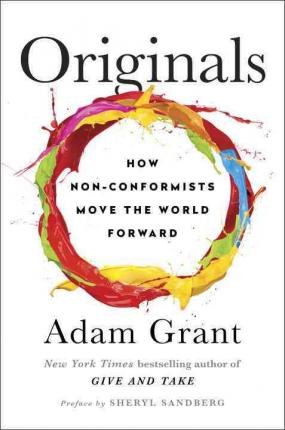
by Adam Grant
Adam Grant on how non-conformists move the world: when to trust your instincts, how to champion new ideas, and why originality can be cultivated.
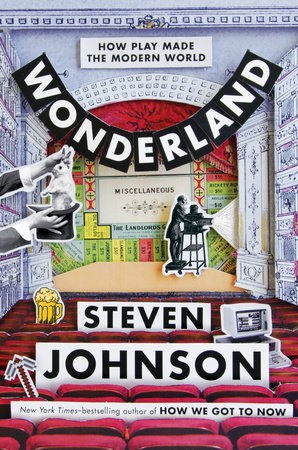
by Steven Johnson
Steven Johnson’s delightful history of play, showing how amusement, games and wonder have quietly driven many of history’s biggest breakthroughs.
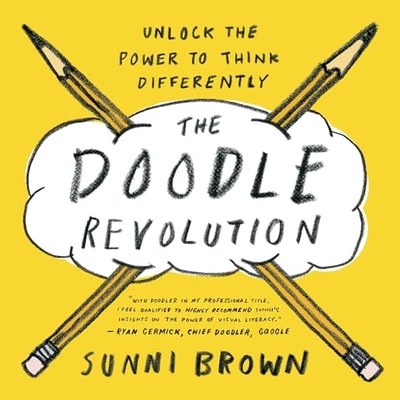
by Sunni Brown
Sunni Brown reclaims doodling as a serious thinking tool for problem solving and idea generation. Our Most Original Book of 2014.
Keep Exploring
Browse the full archive of winners, shortlists and 100-book longlists from every year of the Non-Obvious Book Awards.
Explore The Archive →
Stay Non-Obvious
Subscribe to the Non-Obvious Newsletter and get a weekly Non-Obvious Book of the Week recommendation, award winner announcements and the non-obvious stories 25,000+ readers look forward to every Thursday.
Subscribe Free →One email every Thursday. No spam, unsubscribe anytime.