Best Books Roundups
A decade of the Non-Obvious Book Awards has honored an extraordinary group of South Asian authors, from CEOs and surgeons general to linguists, economists and entrepreneurs. Collected here in one reading list, alphabetically by author: every one of their honored books.
*This list does not include books published in 2026, which are currently under review as part of our 2026 awards program.
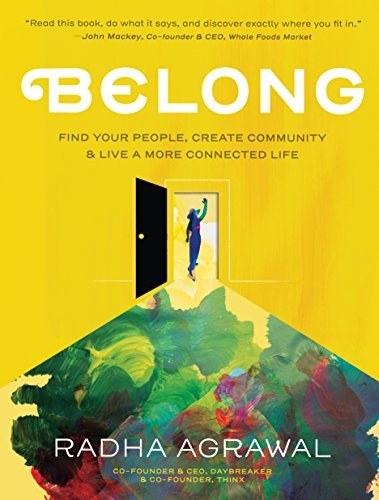
by Radha Agrawal
Daybreaker founder Radha Agrawal turns community-building into a practical craft: how to find your people, or gather them yourself.
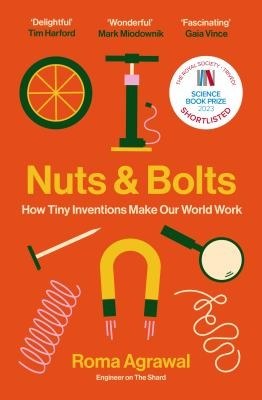
by Roma Agrawal
Structural engineer Roma Agrawal breaks the built world down to seven tiny inventions, from the nail to the spring, and finds wonder in each one.
by Wajahat Ali
Wajahat Ali answers a lifetime of that question with humor and heart: a memoir of growing up Muslim American that disarms hate by out-charming it.
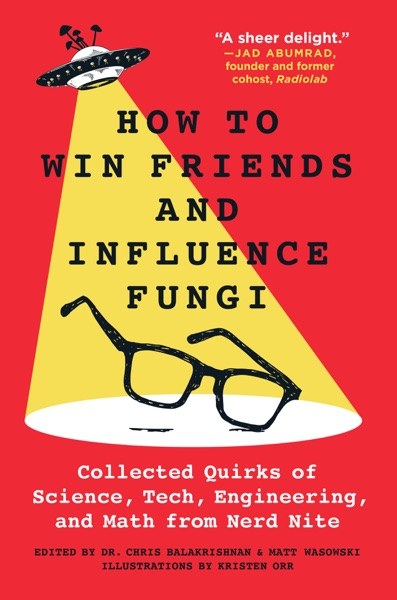
by Chris Balakrishnan
Nerd Nite co-founder Chris Balakrishnan collects the wildest, funniest science talks from the beloved lecture series. Learning disguised as a night out.
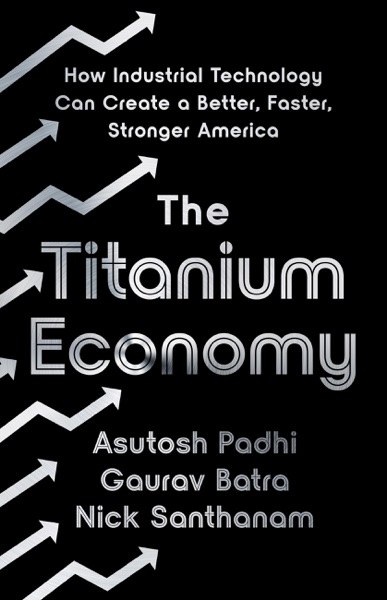
by Asutosh Padhi and Gaurav Batra
McKinsey’s Asutosh Padhi and Gaurav Batra spotlight the industrial-tech companies quietly powering American prosperity, hiding in plain sight.
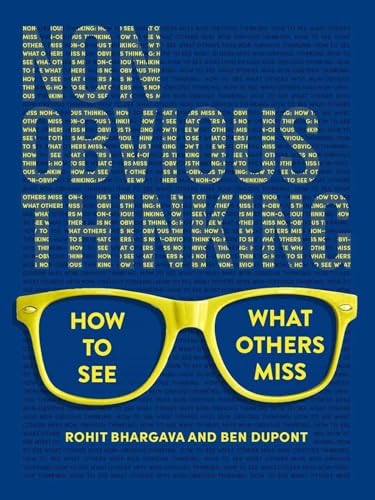
by Rohit Bhargava
From our founder, with Ben DuPont: a field guide to seeing what others miss, in four practiced habits. The thinking behind everything we do here.
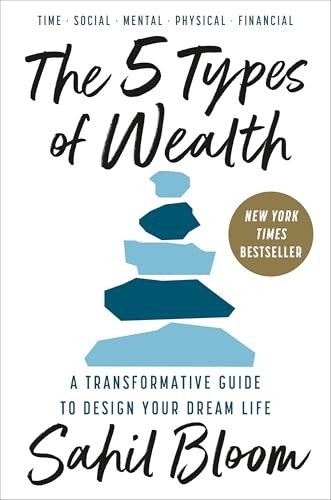
by Sahil Bloom
Sahil Bloom reframes rich across five kinds of wealth: time, social, mental, physical and financial. A generational bestseller about what actually counts.
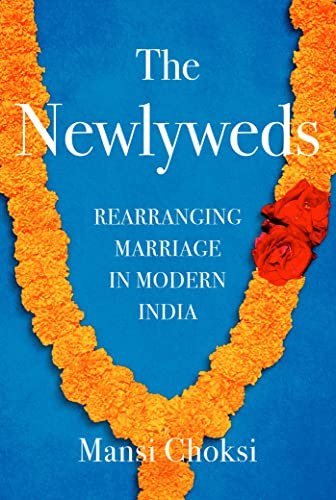
by Mansi Choksi
Mansi Choksi follows three young Indian couples who married for love against every expectation, and pays close attention to what it cost them.
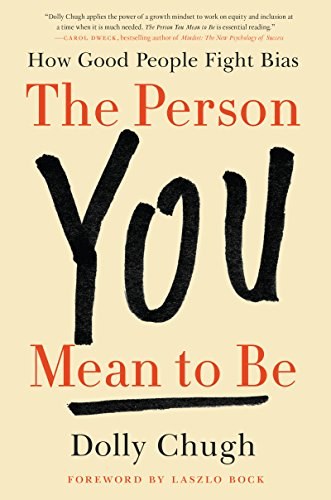
by Dolly Chugh
NYU psychologist Dolly Chugh replaces the pressure of being a good person with the freedom of being a good-ish one: growth over perfection in the fight for fairness.
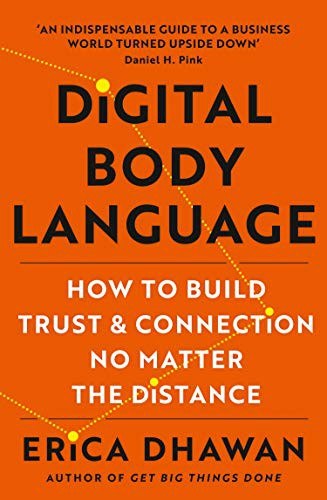
by Erica Dhawan
Erica Dhawan decodes the signals we send on screens, where tone is invisible and a period can read as anger. Essential for the hybrid work era.
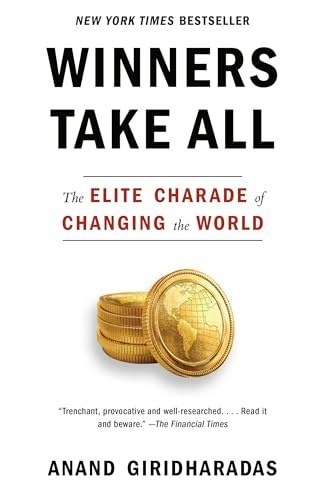
by Anand Giridharadas
Anand Giridharadas’s unsparing look at how the global elite’s world-changing efforts often protect the very systems that created the problems. A book that reframed an entire debate.
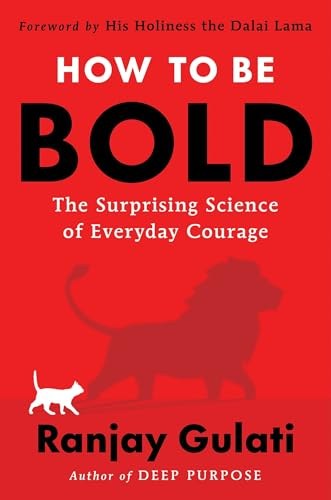
by Ranjay Gulati
Harvard Business School’s Ranjay Gulati studies people who act with courage when it counts, and shows that boldness is a skill you can train.
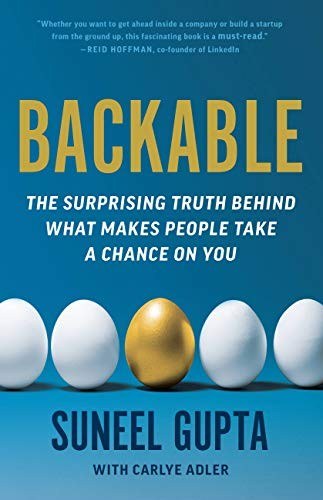
by Suneel Gupta
Suneel Gupta went from serial rejection to raising millions, then reverse-engineered why: people don’t back ideas, they back people who make them believe.
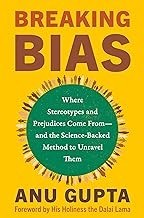
by Anu Gupta
Scientist and lawyer Anu Gupta offers research-backed practices for interrupting bias, in our minds and in our institutions, without shame or blame.
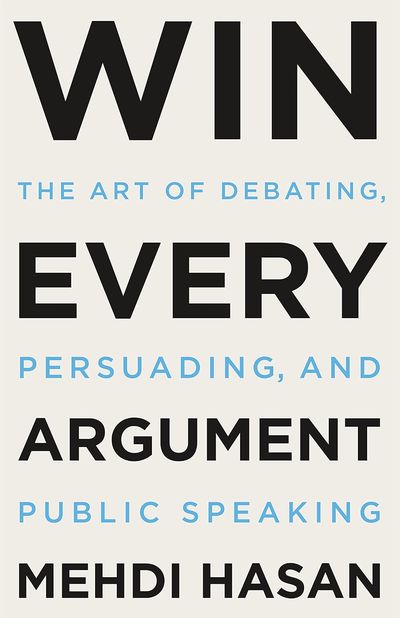
by Mehdi Hasan
Broadcaster Mehdi Hasan shares the rhetorical craft behind his famous interviews: how to persuade, debate and hold your own in any room.
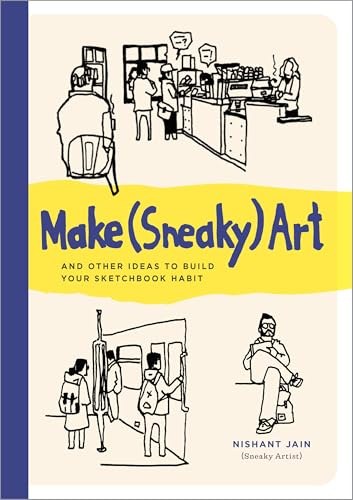
by Nishant Jain
SneakyArt creator Nishant Jain gives readers permission to draw: art as a daily practice of noticing the world, no talent prerequisite required.
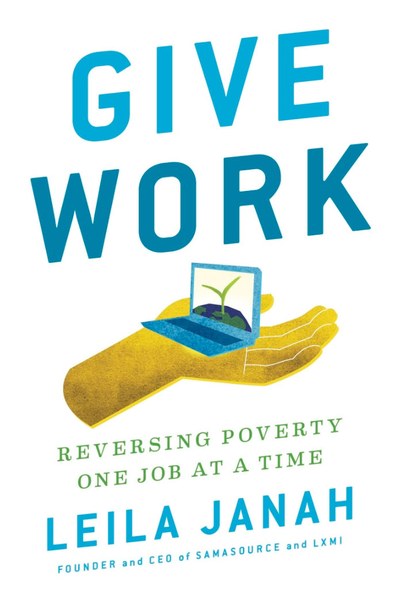
by Leila Janah
Samasource founder Leila Janah argues the surest way to end global poverty is not charity but work, and shows how giving work transforms lives and communities.
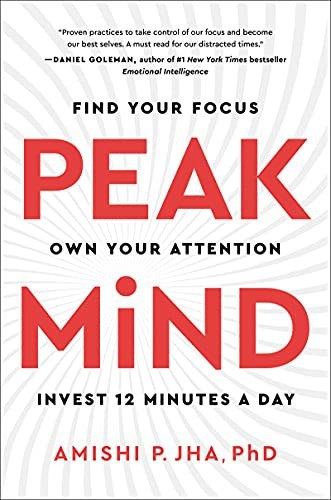
by Amishi P. Jha
Neuroscientist Amishi Jha shows that attention is trainable: twelve minutes a day of practice measurably strengthens focus, even under extreme stress.
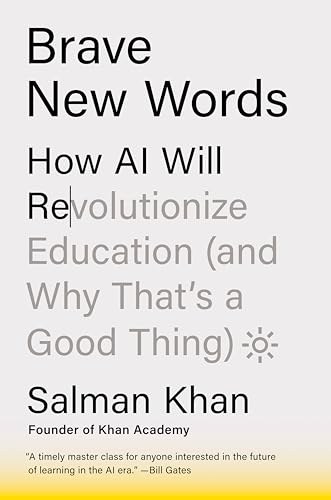
by Salman Khan
Khan Academy founder Salman Khan offers the most credible early map of how AI will transform how our kids learn, and why that future is more hopeful than we fear.
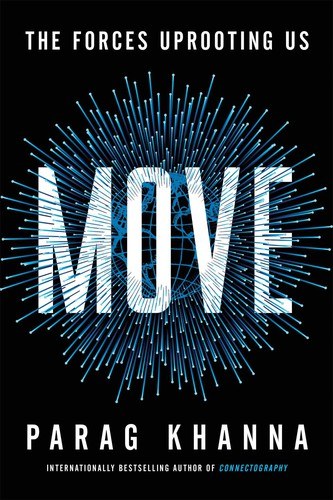
by Parag Khanna
Parag Khanna maps the forces of climate, economics and demographics that will make the next decades the most mobile in human history, and predicts where we will all go.
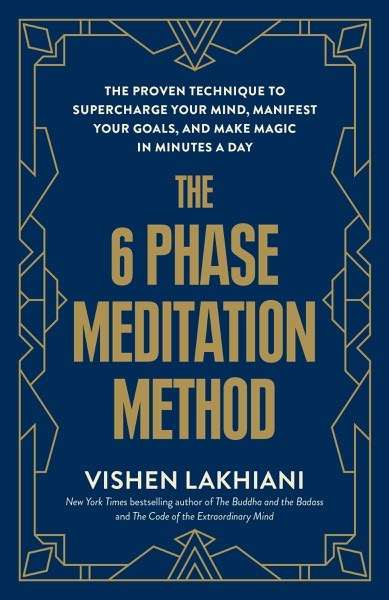
by Vishen Lakhiani
Mindvalley founder Vishen Lakhiani engineers meditation for people who hate sitting still: six phases, a few minutes, built for performance.
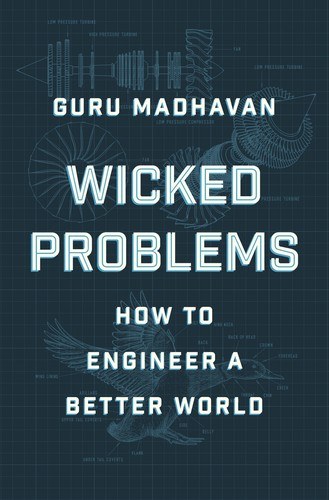
by Guru Madhavan
National Academy of Engineering’s Guru Madhavan celebrates the unglamorous engineering mindset that untangles society’s messiest, most wicked problems.
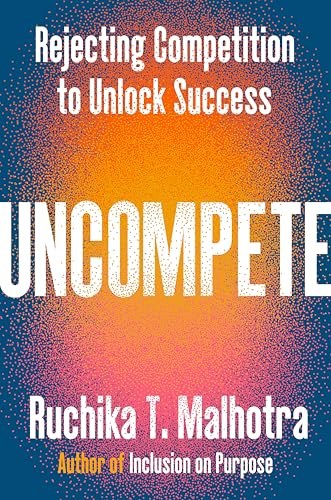
by Ruchika T. Malhotra
Ruchika T. Malhotra makes the case for dropping zero-sum thinking at work: collaboration, not competition, is the real advantage.
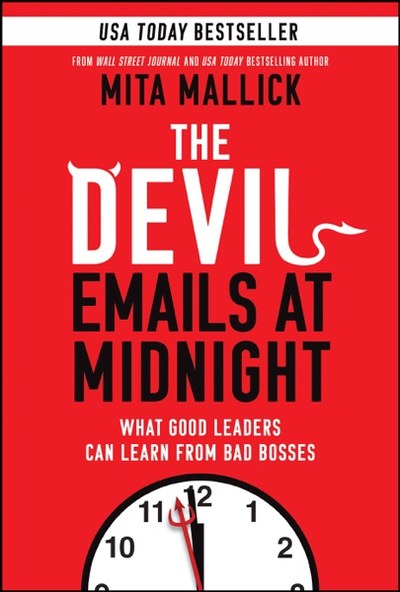
by Mita Mallick
Mita Mallick turns years of surviving difficult bosses into a survival guide for the rest of us, without becoming the villain yourself.
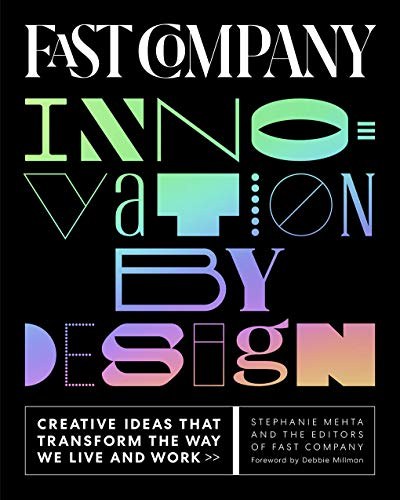
by Stephanie Mehta
Fast Company’s Stephanie Mehta showcases two decades of design that changed business, proof that how things look and work is strategy.
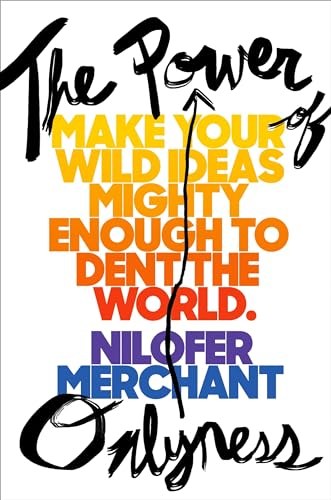
by Nilofer Merchant
Nilofer Merchant names the source of every big idea: your onlyness, the singular spot where only you stand. Then she shows how to scale it.
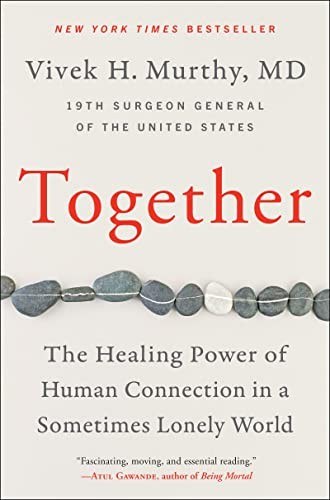
by Vivek H. Murthy
Former Surgeon General Vivek Murthy diagnoses loneliness as a public health crisis and prescribes the connection our bodies literally require.
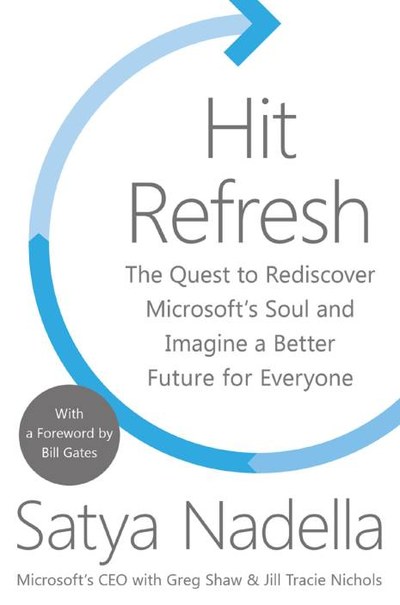
by Satya Nadella
Satya Nadella’s inside account of transforming Microsoft by putting empathy at the center of one of the world’s most powerful companies.
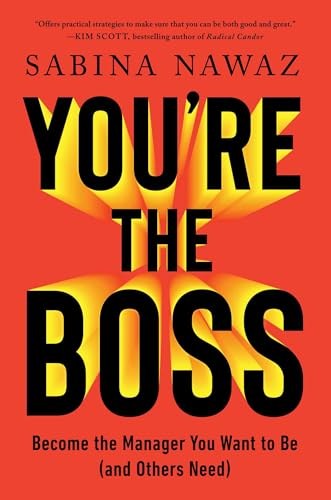
by Sabina Nawaz
Executive coach Sabina Nawaz reveals how power quietly changes managers, and the habits that keep new bosses effective and human.
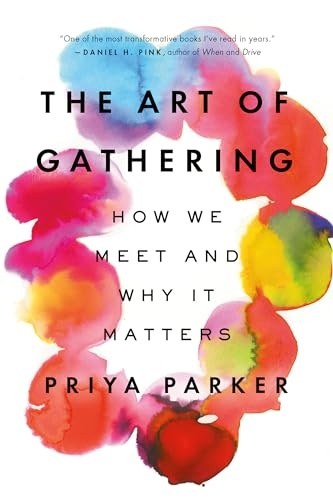
by Priya Parker
Priya Parker transforms how we think about meetings, parties and conferences: every gathering needs a purpose, and most of ours have none.
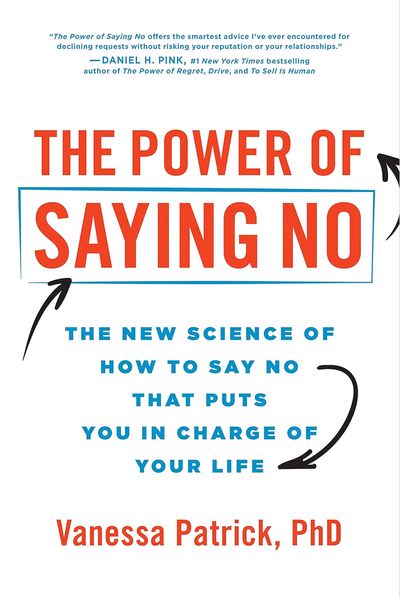
by Vanessa Patrick
Professor Vanessa Patrick shares the science of empowered refusal: how to say no without guilt, and why it is a superpower at work.
by Kal Penn
Kal Penn’s funny, improbable memoir of chasing two careers at once: Hollywood actor and White House staffer. Proof that permission is overrated.
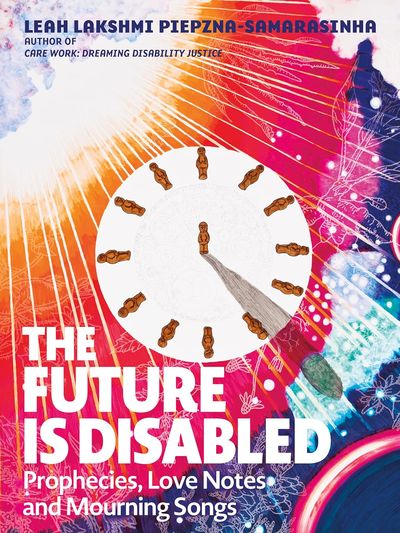
by Leah Lakshmi Piepzna-Samarasinha
Leah Lakshmi Piepzna-Samarasinha imagines futures built on disability justice, where care is collective and no one is disposable.
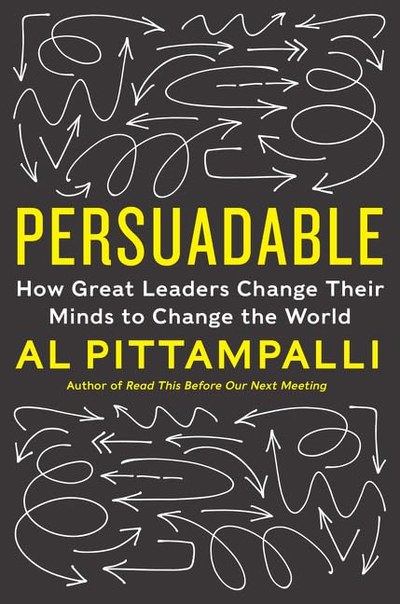
by Al Pittampalli
Al Pittampalli makes the counterintuitive case that the willingness to change your mind, being persuadable, is a defining strength of modern leadership.
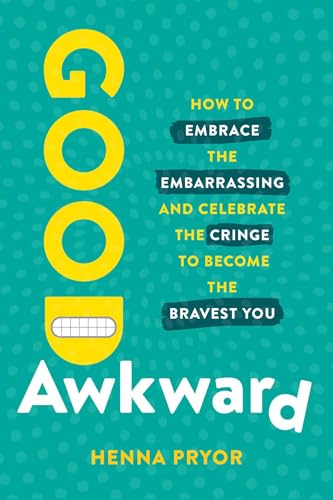
by Henna Pryor
Executive coach Henna Pryor rebrands awkwardness as a professional asset: the discomfort you avoid is exactly where your edge lives.
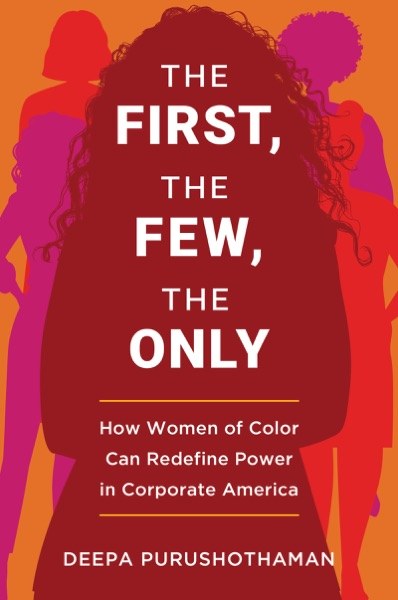
by Deepa Purushothaman
Deepa Purushothaman draws on hundreds of interviews with women of color in corporate America: the tolls, the tactics and the power in numbers.
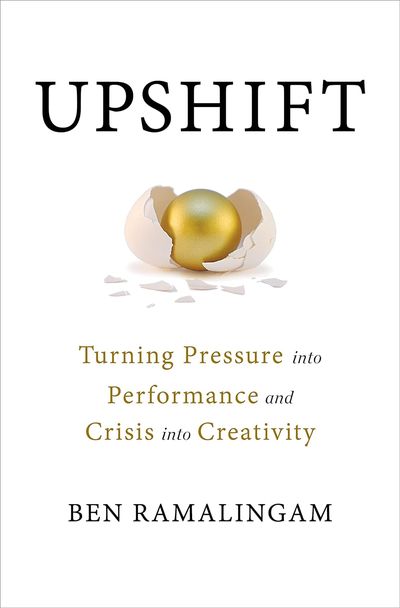
by Ben Ramalingam
Ben Ramalingam studies people who perform best under pressure and distills the science of turning stress and adversity into fuel.
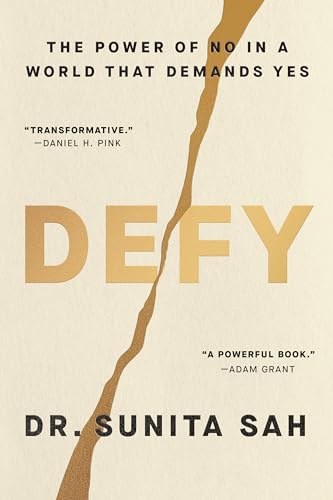
by Sunita Sah
Psychologist Sunita Sah studies why good people comply when they long to resist, and teaches defiance as a principled, learnable skill.
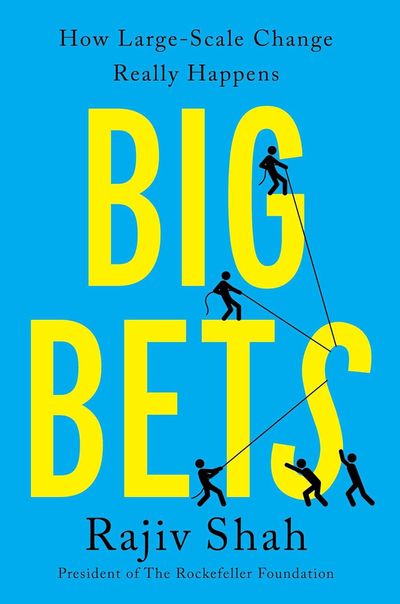
by Rajiv Shah
Rockefeller Foundation president Rajiv Shah argues incrementalism is overrated: the biggest global problems yield only to big bets.
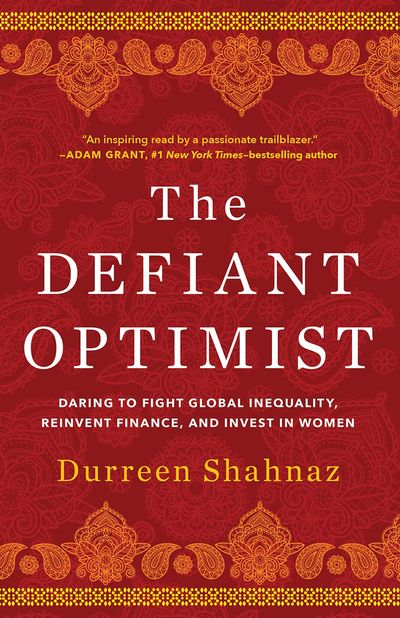
by Durreen Shahnaz
Durreen Shahnaz, the first Bangladeshi woman on Wall Street’s trading floor, tells how she built a financial platform for the world’s excluded.
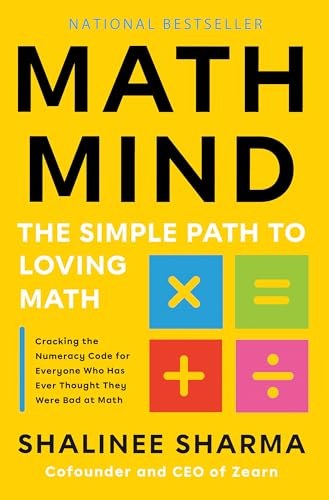
by Shalinee Sharma
Zearn CEO Shalinee Sharma dismantles the myth of the math person: everyone can love math when it is taught the way brains actually learn.
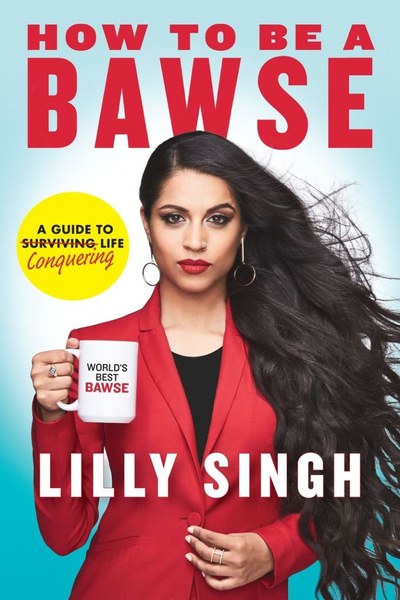
by Lilly Singh
YouTube superstar Lilly Singh’s no-excuses guide to conquering life, told with the hustle and humor that built her from bedroom vlogger to global entertainer.
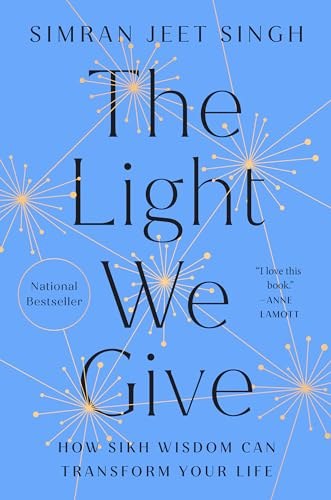
by Simran Jeet Singh
Simran Jeet Singh shares Sikh wisdom for living with connection and courage in divided times. A book of practical grace.
by Shiv Singh and Rohini Luthra
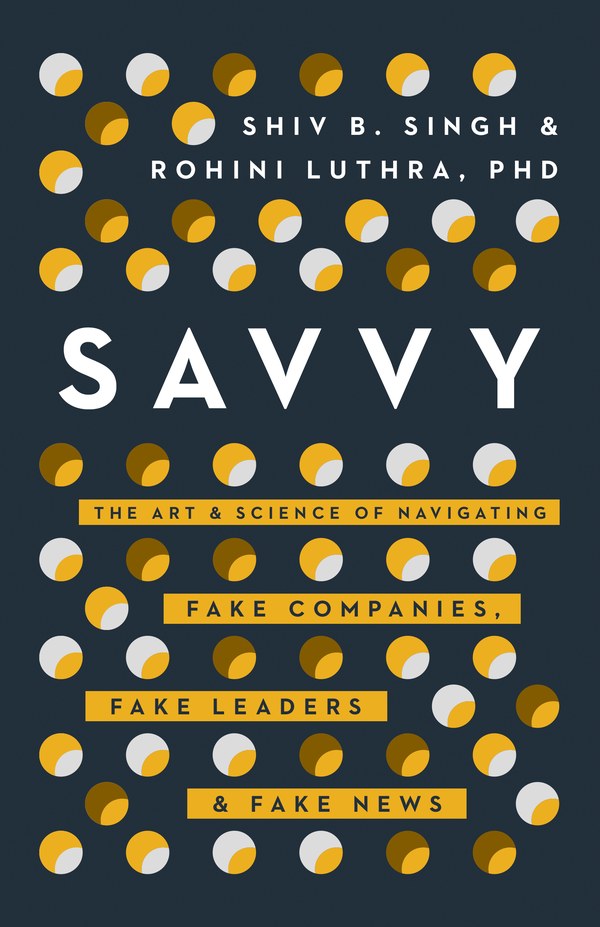
Shiv Singh and Rohini Luthra deliver a field guide to navigating fake companies, fake leaders and fake news, and staying clear-eyed in a post-trust era.
by Aneesh Singla
Physician Aneesh Singla reframes pain as the body’s essential messenger: what it is for, why we need it, and how understanding it changes treatment.
by Jimmy Soni
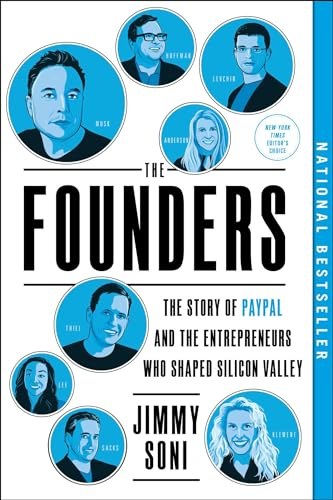
Jimmy Soni’s deeply reported story of the PayPal mafia, and the improbable beginnings of the network that shaped two decades of tech.
by Rishad Tobaccowala
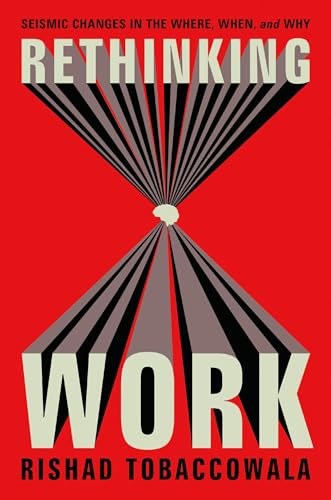
Advertising sage Rishad Tobaccowala maps the four seismic shifts remaking work, and how to build a career that thrives through all of them.
by Shankar Vedantam
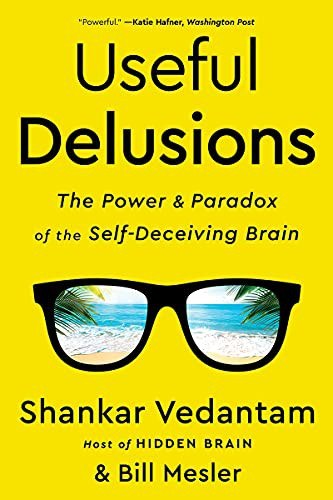
Hidden Brain host Shankar Vedantam makes the counterintuitive case that self-deception is not always a bug: some illusions hold lives and societies together.
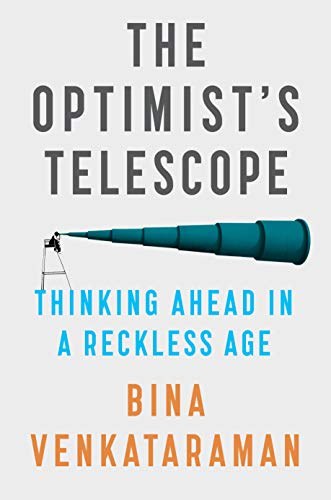
by Bina Venkataraman
Bina Venkataraman, former White House climate adviser, on why we are so bad at thinking ahead, and the tools that give foresight a fighting chance.
by Fareed Zakaria
Fareed Zakaria distills what the pandemic revealed about globalization, government and risk into ten clear-eyed lessons for what comes next.
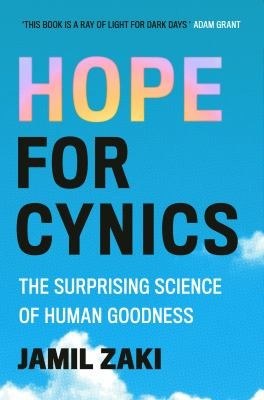
by Jamil Zaki
Stanford psychologist Jamil Zaki brings the evidence against cynicism: hopeful skepticism is more accurate, more useful and better for us.
Keep Exploring
Browse the full archive of winners, shortlists and 100-book longlists from every year of the Non-Obvious Book Awards.
Explore The Archive →
Stay Non-Obvious
Subscribe to the Non-Obvious Newsletter and get a weekly Non-Obvious Book of the Week recommendation, award winner announcements and the non-obvious stories 25,000+ readers look forward to every Thursday.
Subscribe Free →One email every Thursday. No spam, unsubscribe anytime.