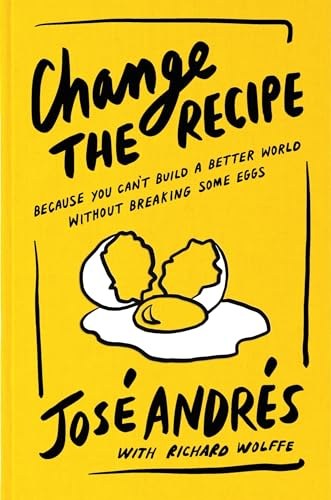
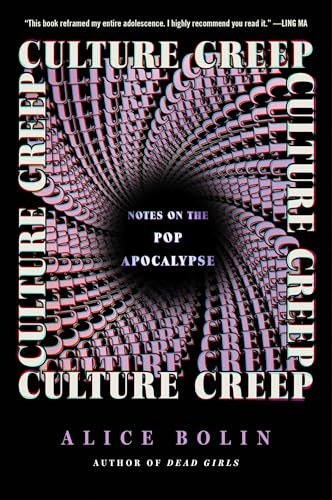
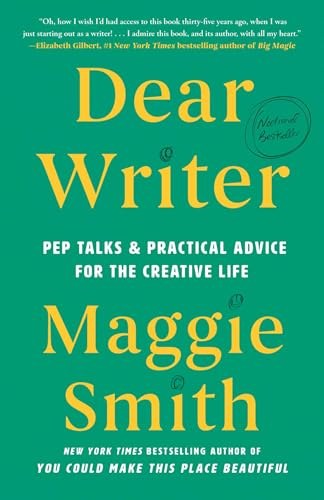
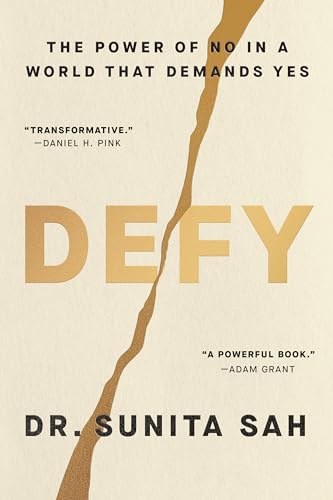
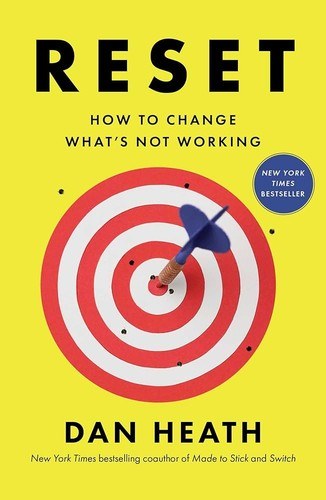
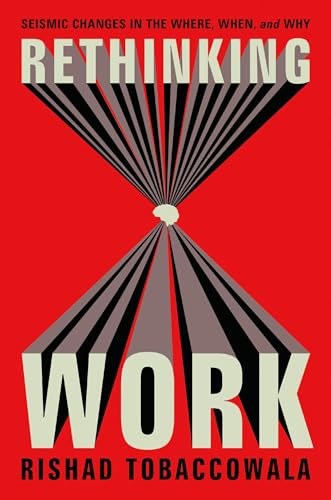
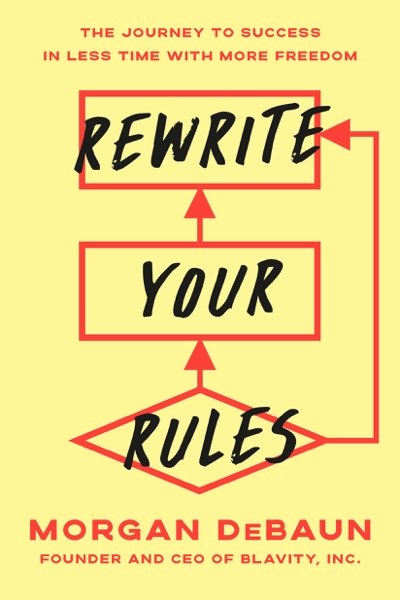
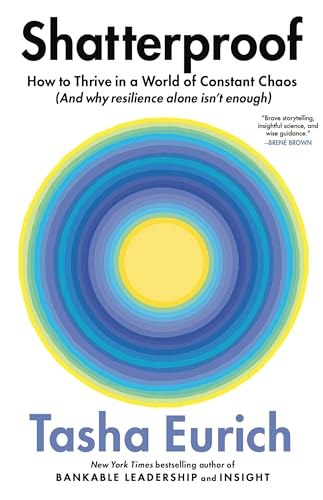
As part of our judging process, we curate the biggest trends from all the non-fiction books we evaluate throughout the year. Here are the twelve biggest trends we identified from books published during 2025.
Trend 01
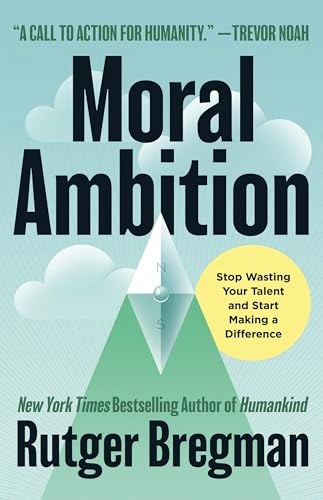
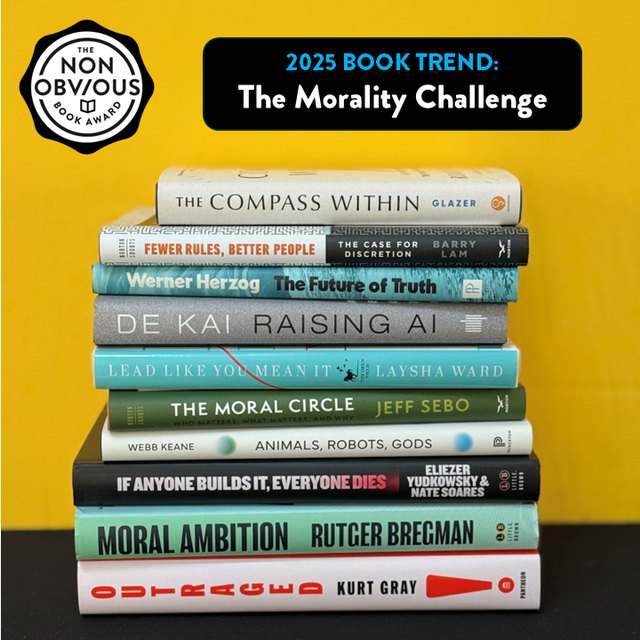
The Morality Challenge
As AI affects work and life in deeper ways, several books posed a clear answer to saving humanity: we need more leaders and organizations to prioritize morality in their decision making — and lessons on how to act in more morally positive ways.
Trend 02
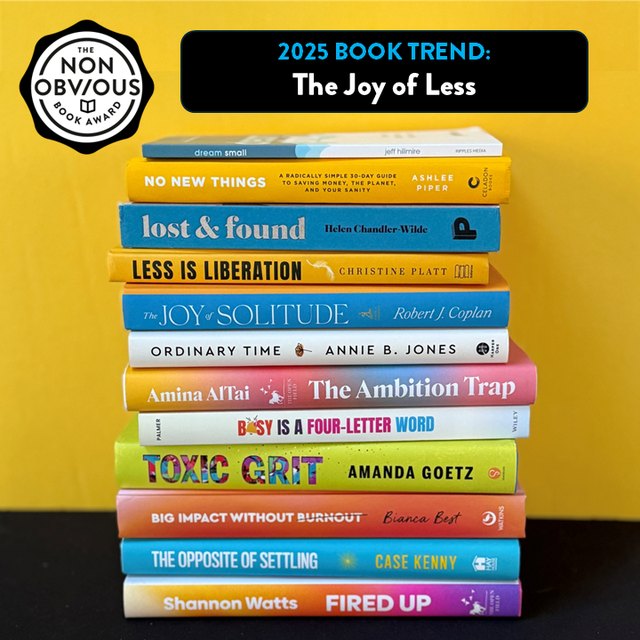
The Joy of Less
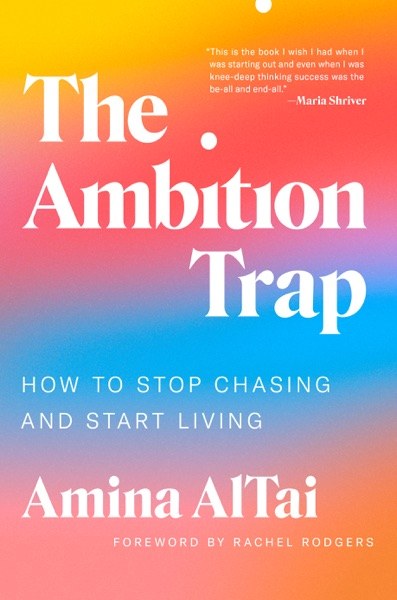
What if you had less work, less stuff, less ambition and less hustle? These books suggested that our quest for the things we describe as good may not be the true path to success — and happiness may come from the things we're able to sacrifice.
Trend 03
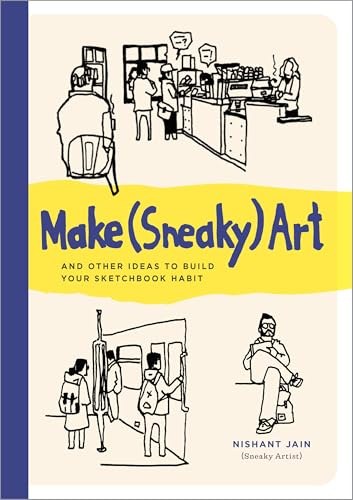
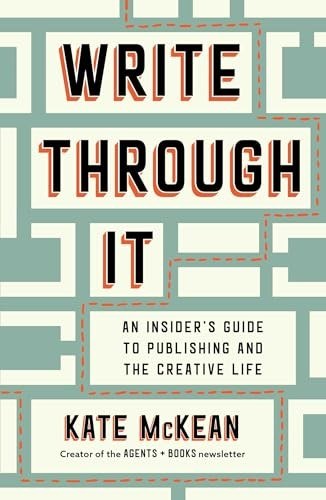
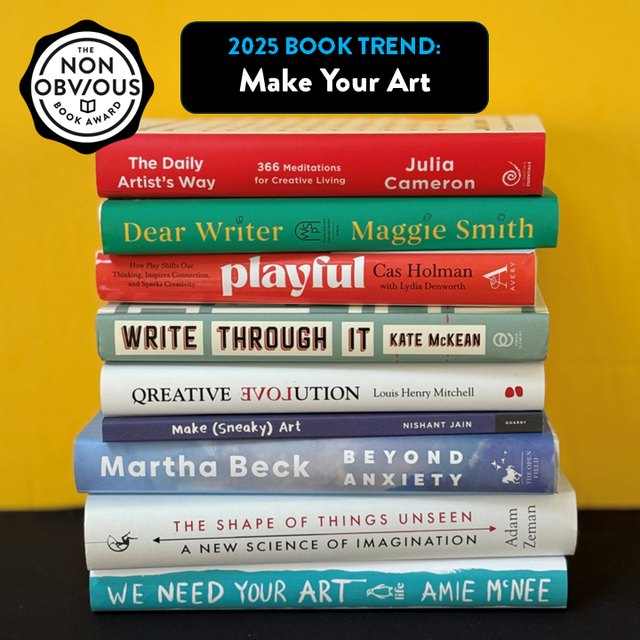
Make Your Art
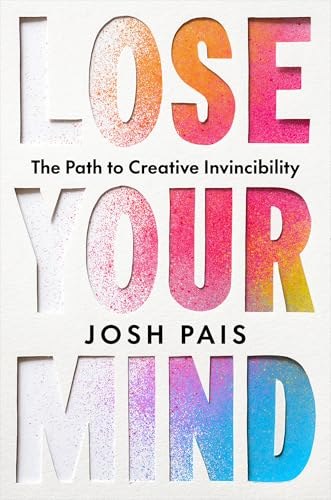
Now is the time to lean into your creativity and make the art you've always dreamed of. These books encouraged readers to write, draw, paint and use their imagination to make something fulfilling — inspiring every day to be happier and more full of life.
Trend 04
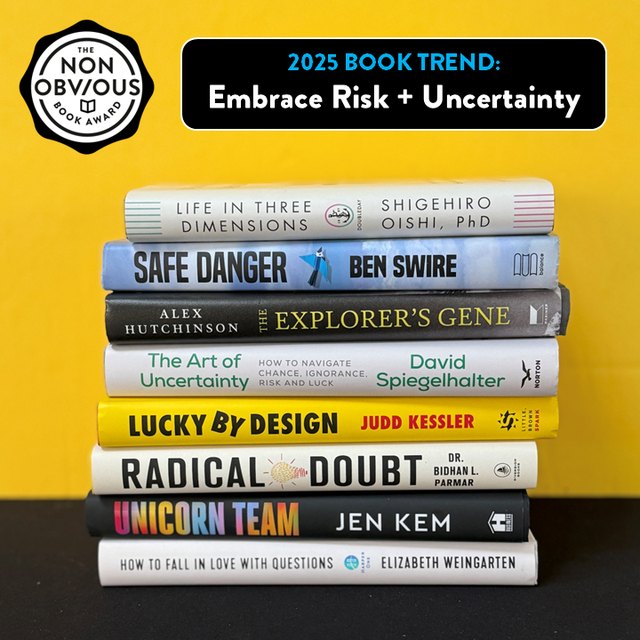
Embrace Risk + Uncertainty
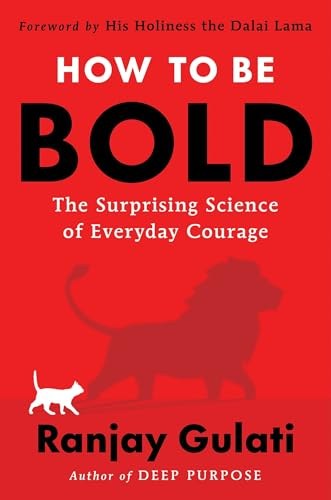
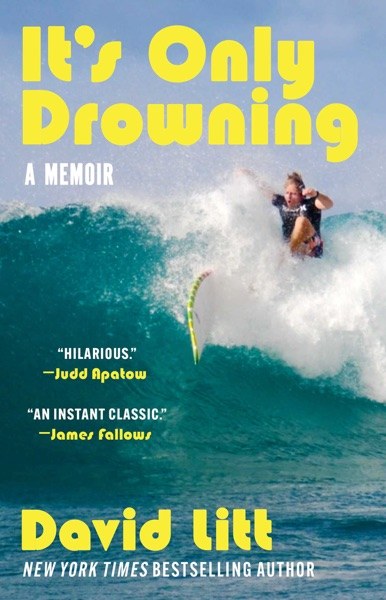
Live more dangerously and embrace risks to create more luck for yourself — appreciating the power of uncertainty, welcoming doubt and thinking like an explorer to achieve unexpected success. The secret is finding more bravery and self-confidence to do it.
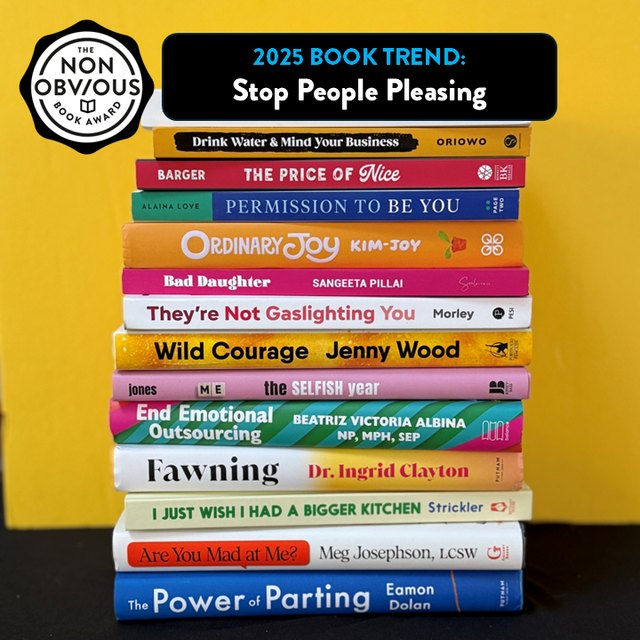
Trend 05
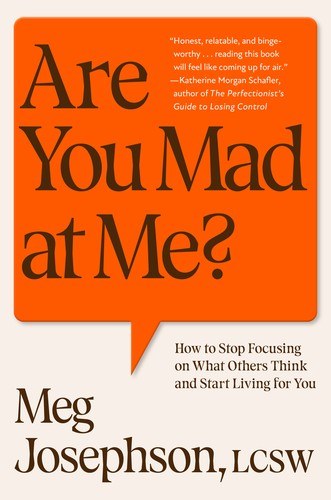
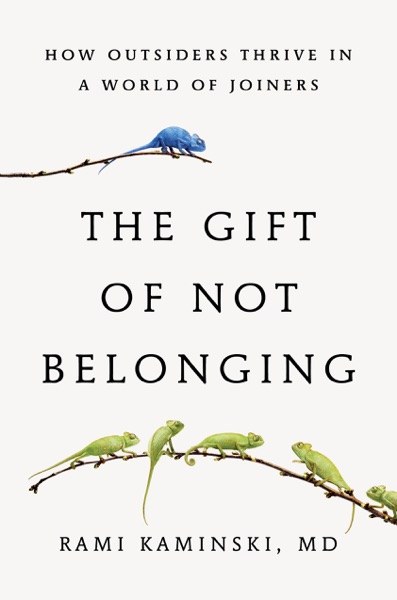
Stop People Pleasing
Too often we resort to people pleasing, silence our inner rebel and prioritize keeping the peace. Several books described it as fawning — and all of them suggested defiance, by worrying less what others think and putting yourself first.
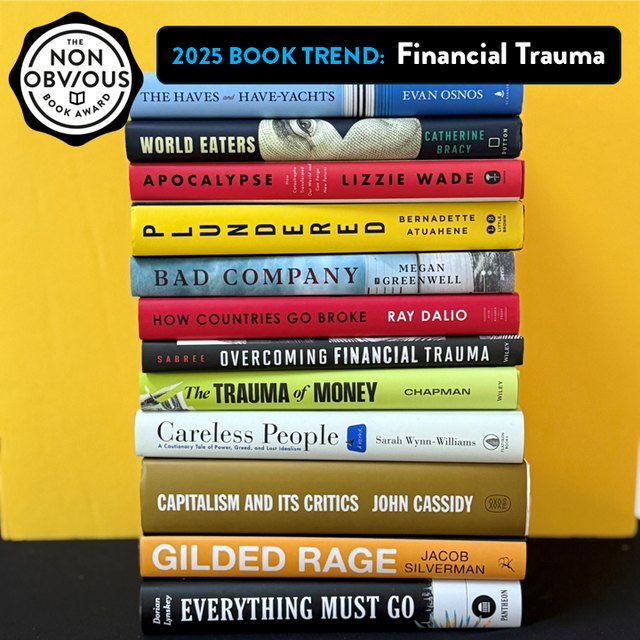
Trend 06
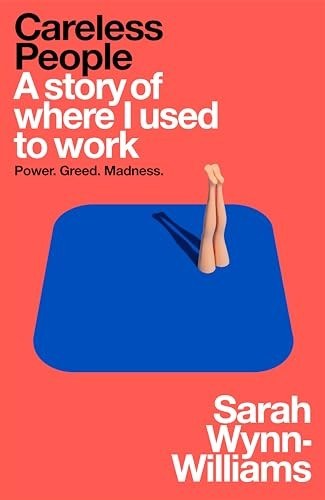
Financial Trauma
The financial world is broken and societal trauma is the result. These books explore unchecked greed, poor economic policies and profit extraction at all costs — and some offer prescriptions to fix it, starting with exposing the evildoers.
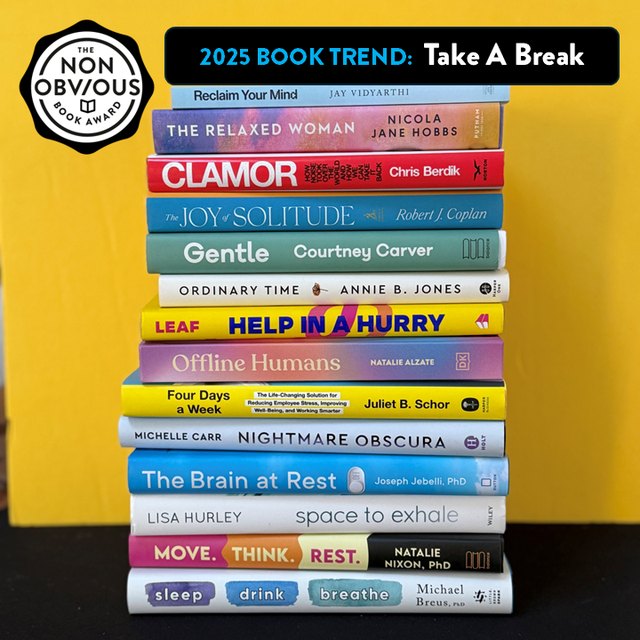
Trend 07
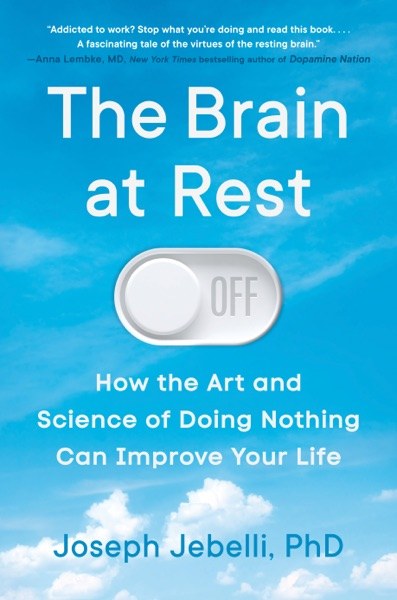
Take A Break
As a counter to hustle culture, the new wisdom for career success, a healthier lifestyle and better relationships starts with finding time to relax and breathe. Be happy with what you have. Enjoy your time alone. Work four days a week. And sleep more.
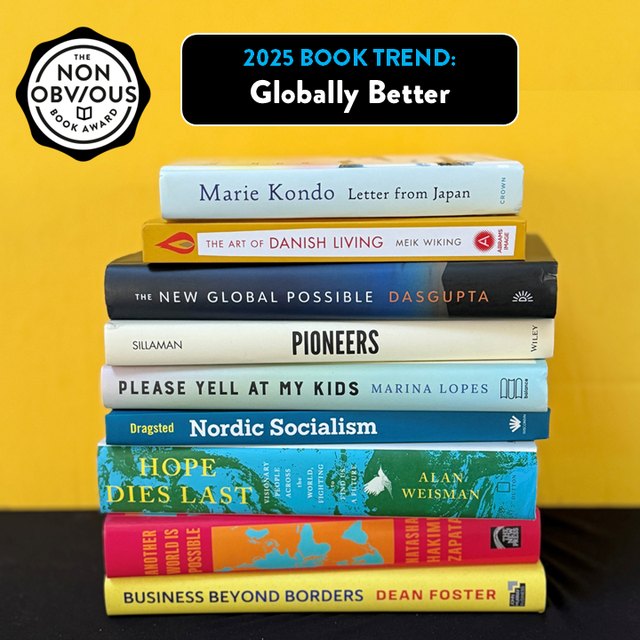
Trend 08
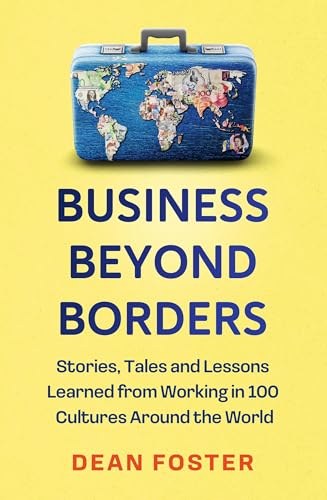
Globally Better
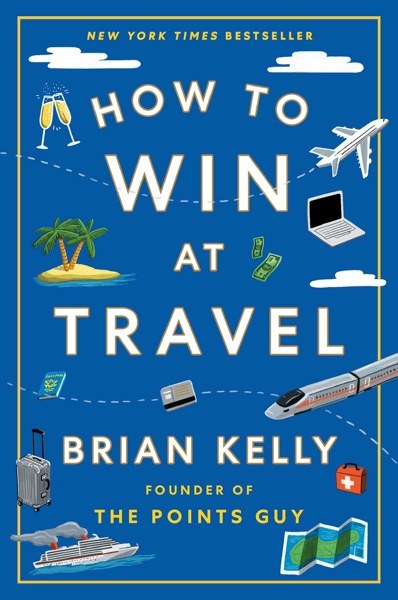
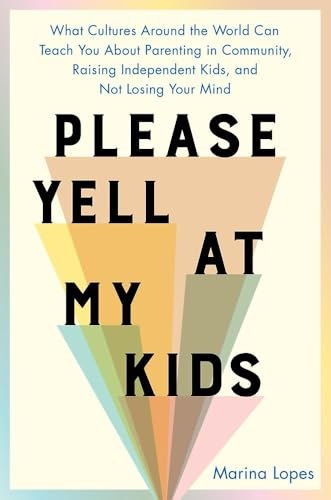
In response to the rise of xenophobia across many cultures, these books remind us of the significant wisdom that comes from listening to voices from other cultures and countries — from optimal parenting techniques to finding more joy at work.
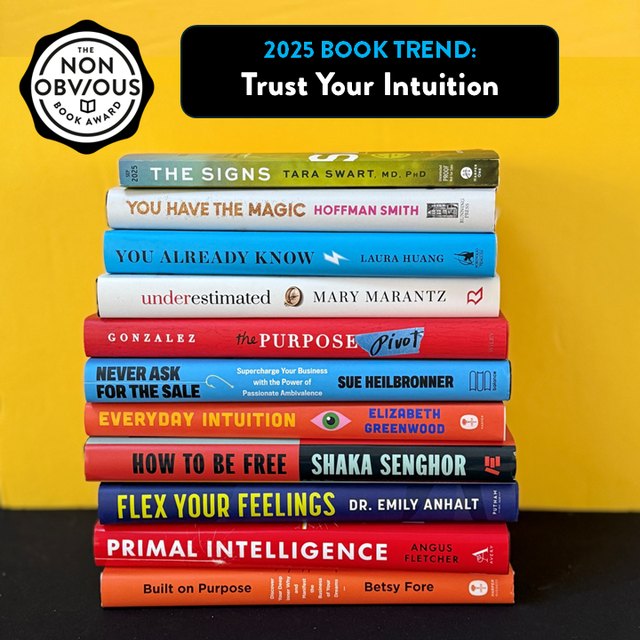
Trend 09
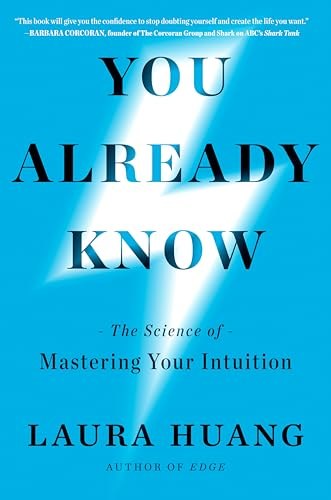
Trust Your Intuition
Your intuition is your superpower — if you can remember to listen to it. These books argued you can sell more, better understand people, and find your purpose by being more attuned to your inner voice and acting on what you already know in your gut.
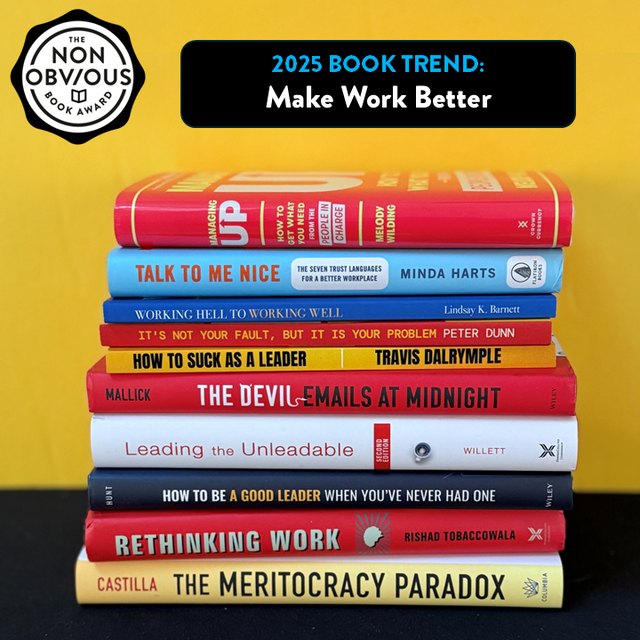
Trend 10
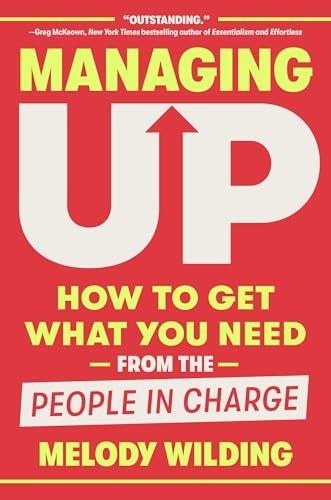
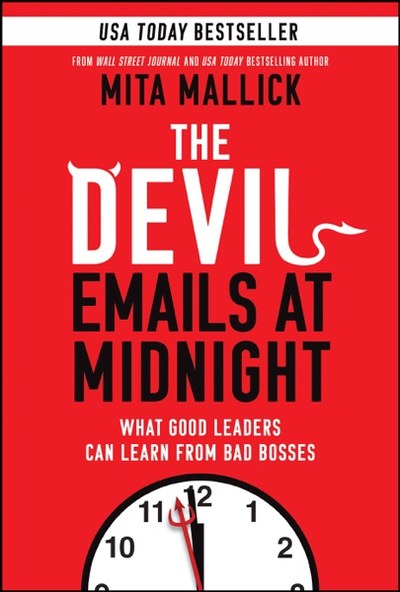
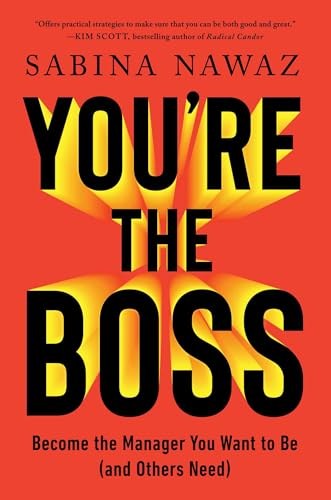
Make Work Better
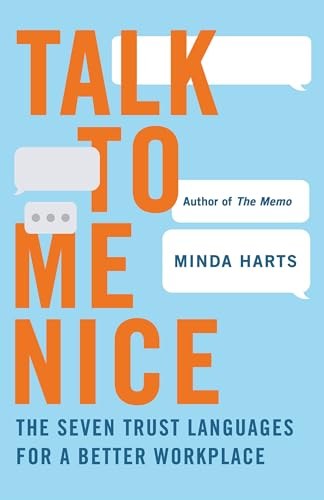
The modern workplace is filled with terrible bosses, mistaken incentives and unleadable people. These books show how to fix what's wrong with the systems at work — by rethinking work, not emailing at midnight, and talking nicer.
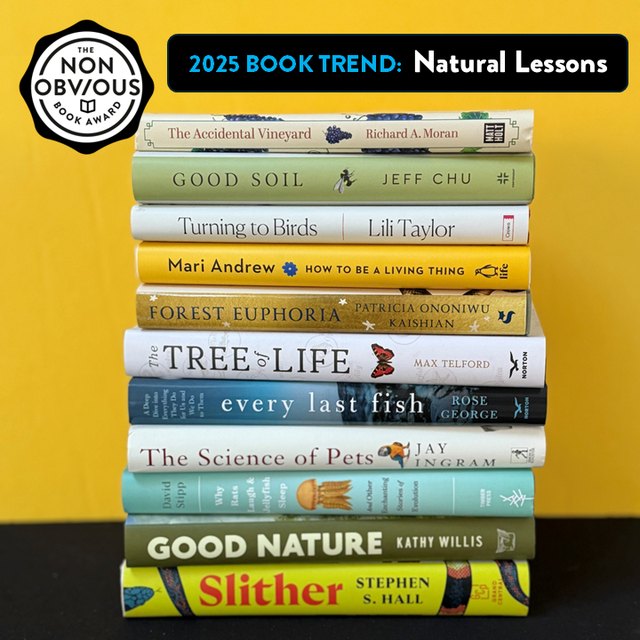
Trend 11
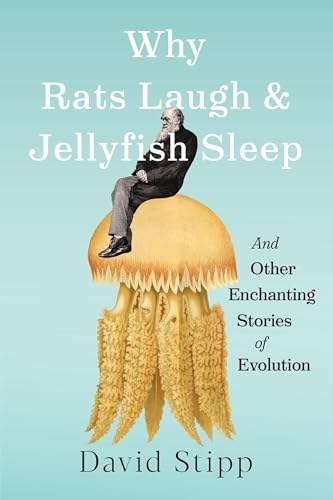
Natural Lessons
How can nature make us better? From trees to fishes to birds to snakes, these books compile the many forms of wisdom we might take from the non-human species living all around us — and suggest it might be the key to solving many other problems too.

Trend 12
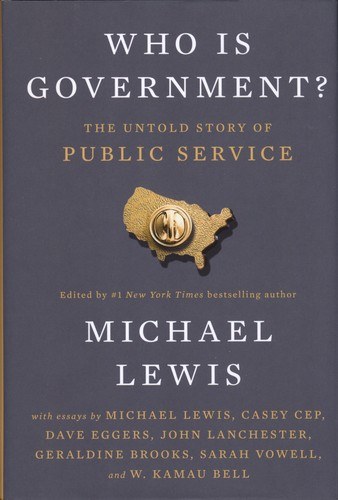
Democracy Under Siege
Responding to a year of unprecedented threats to the foundational ideas of democracy across the globe, these books explored what happened, why we are divided, whether it can be reversed and how to preserve the delicate idea of democracy.