The Award Archive
Our most competitive year yet at the time — five winners, ten shortlist selections and a longlist of the 75 best non-fiction books of 2021, chosen from hundreds of titles and announced live in December 2021.
The year's biggest themes: the new world of work, shifting power, coming together as a society, facing an uncertain future, putting yourself first — and ending bias for good.
The 2021 Winners
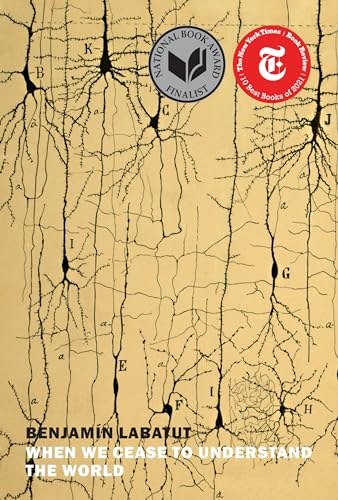
Benjamín Labatút’s genre-defying account of the scientists whose discoveries brushed against madness. It reads like nothing else in the history of our awards.
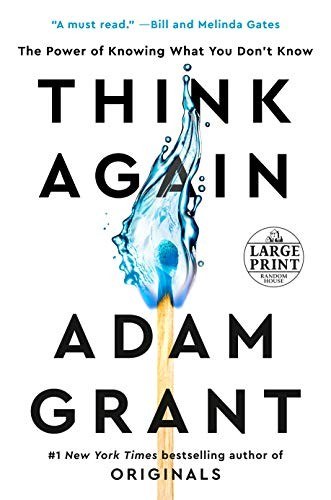
Adam Grant’s blockbuster on the power of rethinking: why the smartest people update their views, and how intellectual humility beats being right. A modern classic of useful thinking.
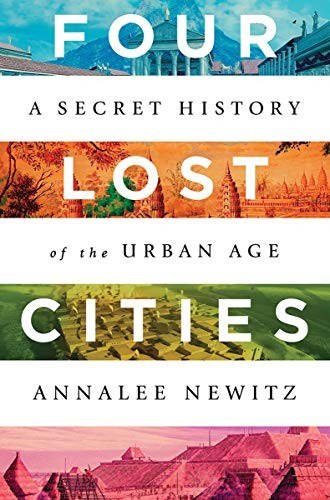
Annalee Newitz tours four vanished metropolises, from Çatalhöyük to Cahokia, to uncover why cities die and what our own urban future can learn from theirs.
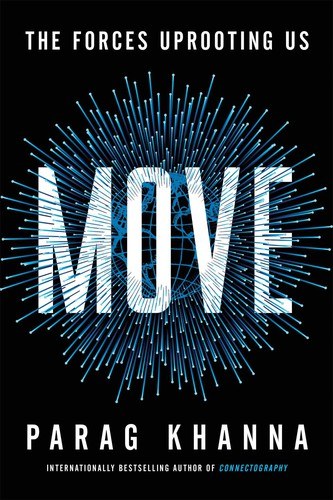
Parag Khanna maps the forces of climate, economics and demographics that will make the next decades the most mobile in human history, and predicts where we will all go.
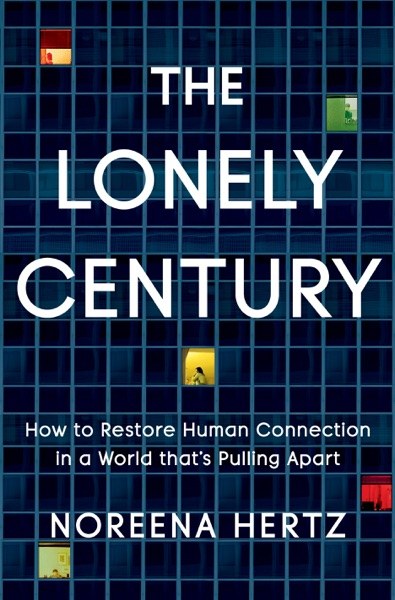
Economist Noreena Hertz documents how loneliness became a defining condition of our age, reshaping our health, our economies and our politics, and what it takes to reconnect.
Watch The Announcement
The Biggest Book Trends of 2021
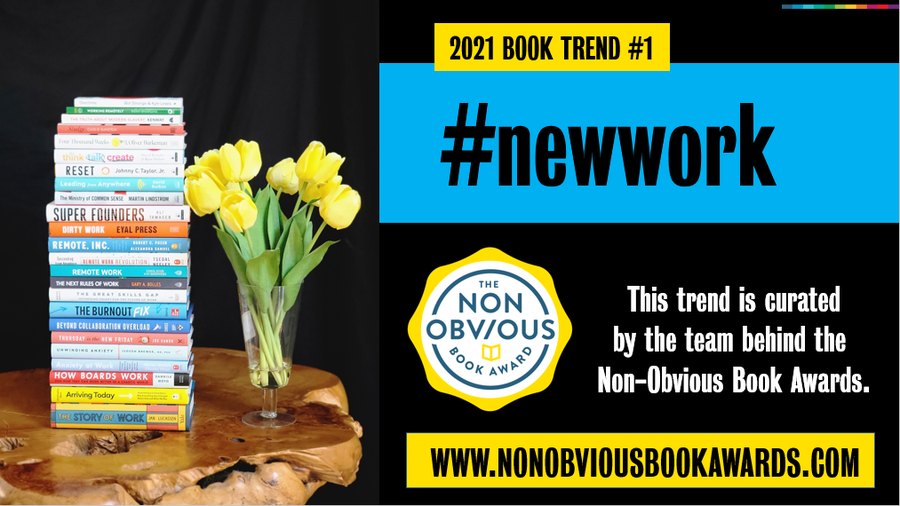
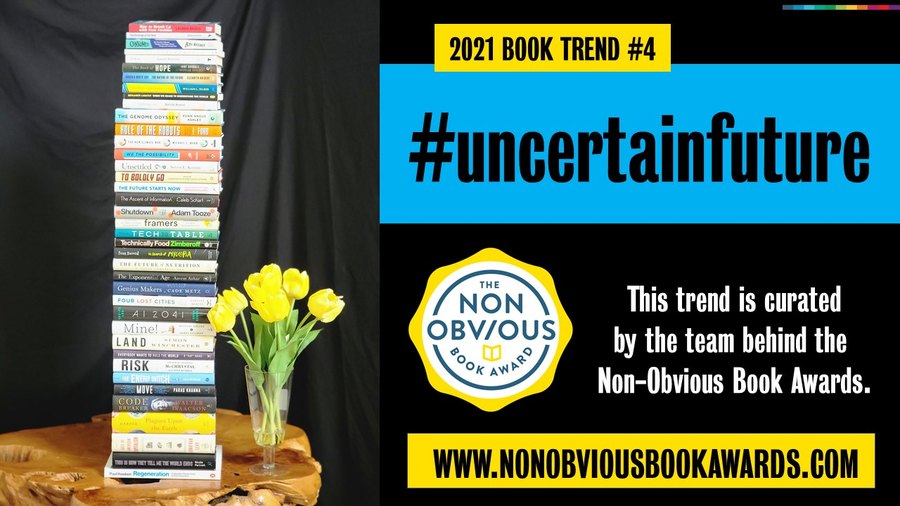
As part of our judging process, we curate the biggest trends from all non-fiction books that we evaluated throughout the year. Here are the six biggest trends we identified from books published during 2021.
One of the six overarching macro trends of 2021 — explored through the three micro-trends below.
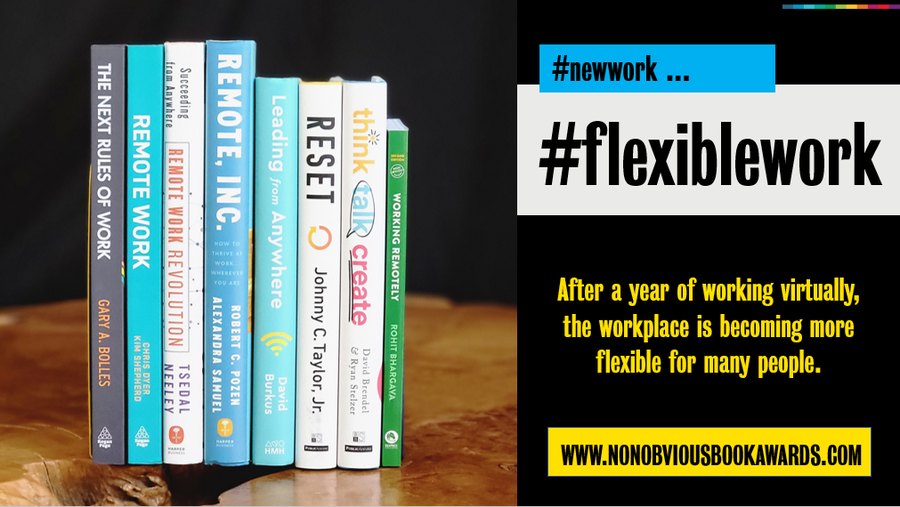
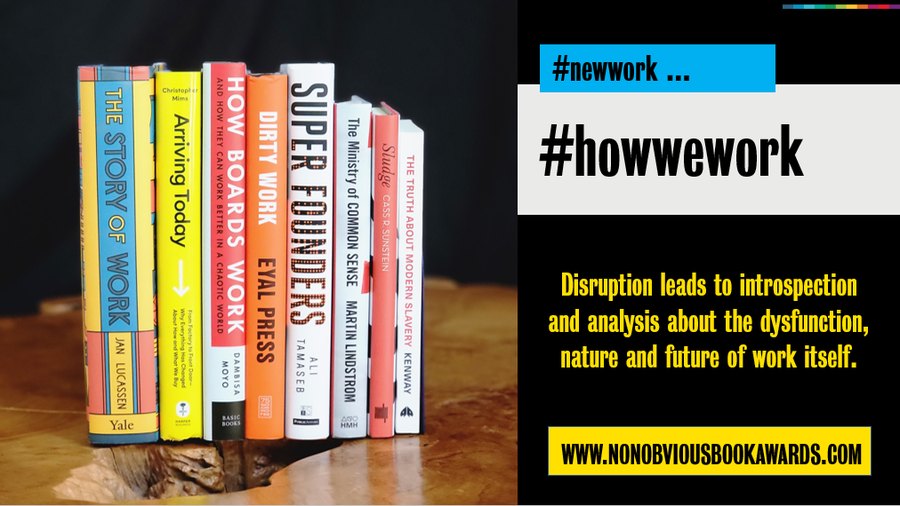
After a year of working virtually, the workplace is becoming more flexible for many people.
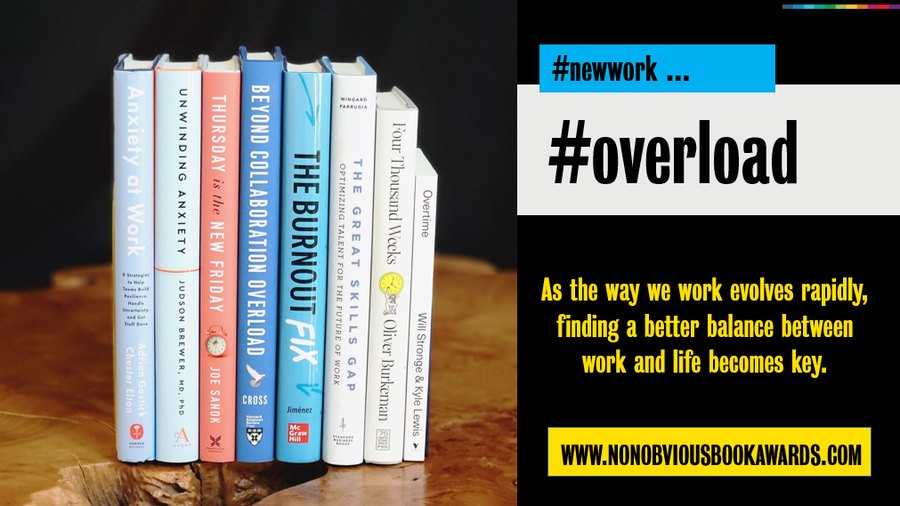
As the way we work evolves rapidly, finding a better balance between work and life becomes key.
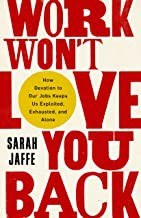
Disruption leads to introspection and analysis about the dysfunction, nature and future of work itself.
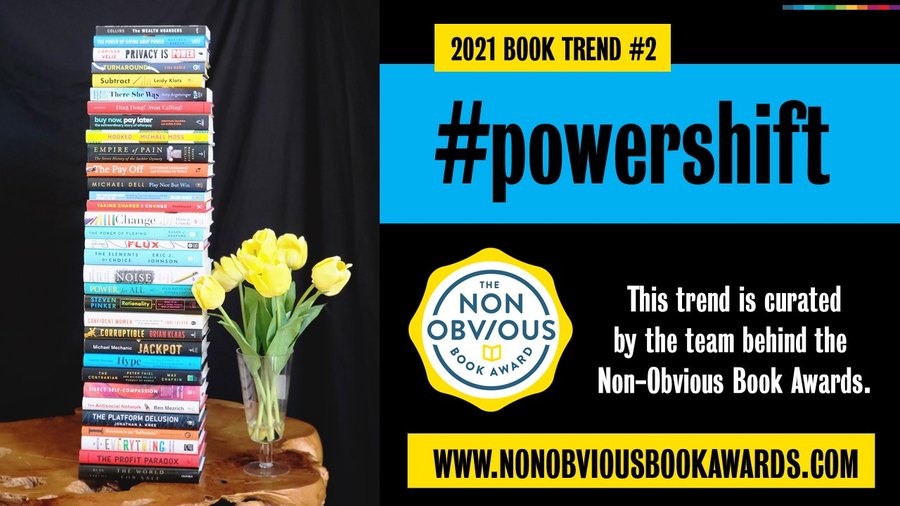
One of the six overarching macro trends of 2021 — explored through the three micro-trends below.
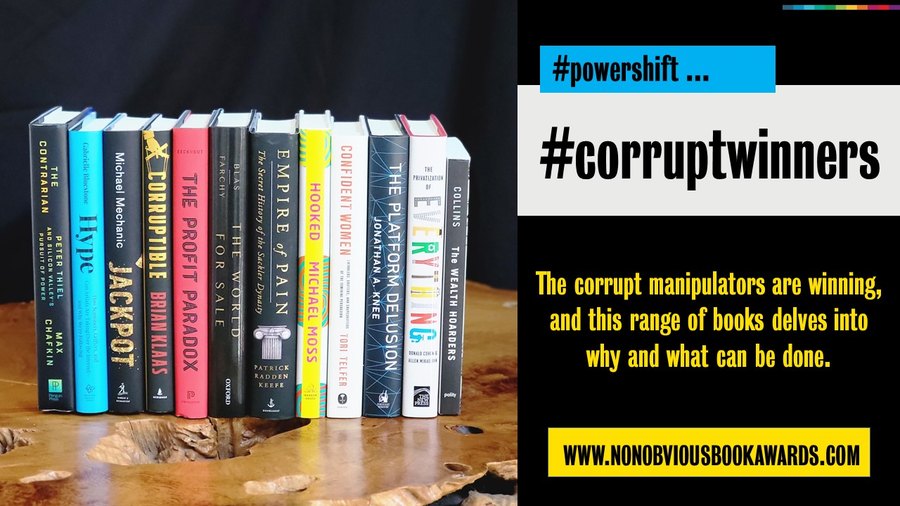
The corrupt manipulators are winning, and this range of books delves into why and what can be done.
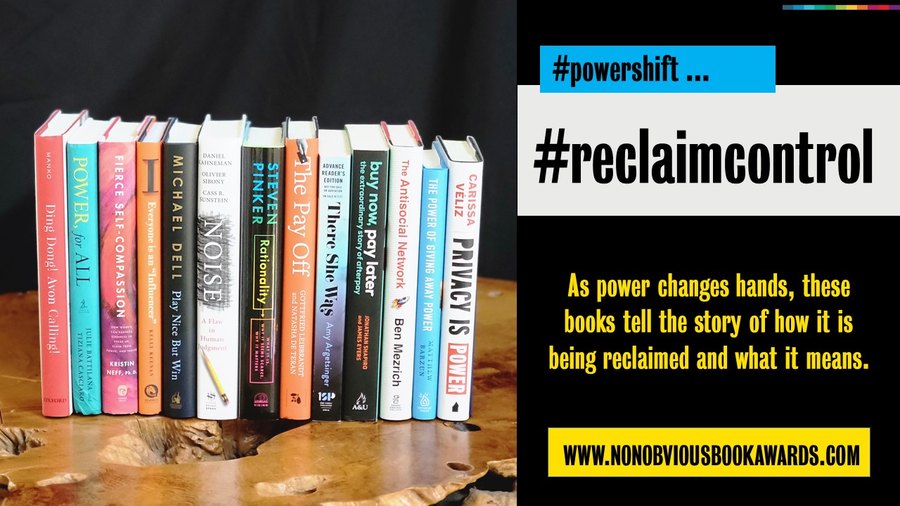
As power changes hands, these books tell the story of how it is being reclaimed and what it means.
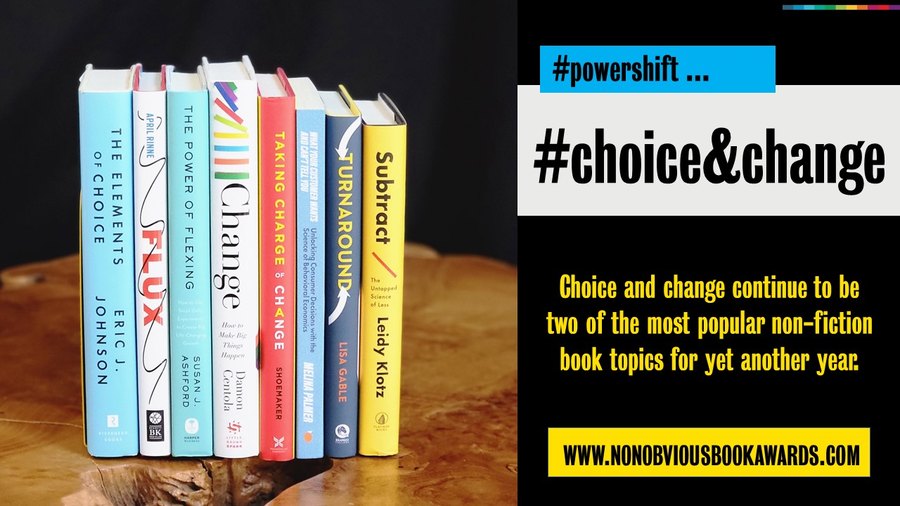
Choice and change continue to be two of the most popular non-fiction book topics for yet another year.
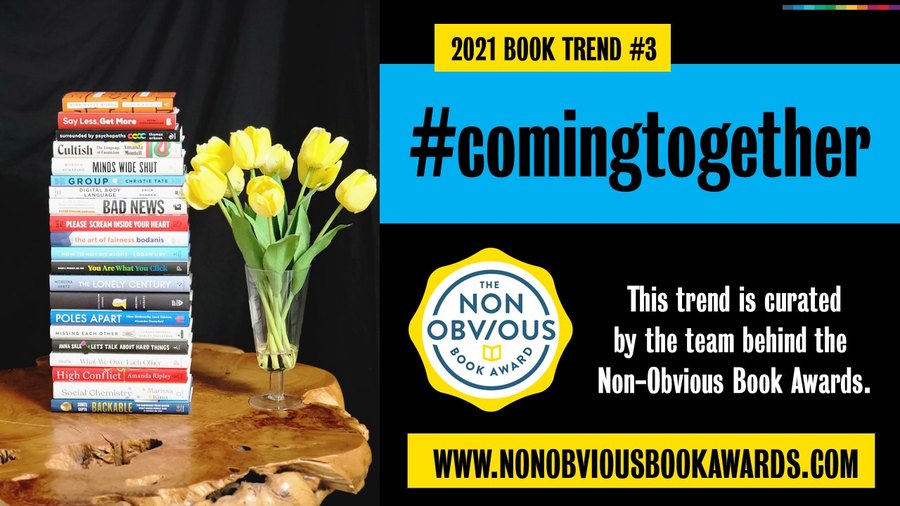
One of the six overarching macro trends of 2021 — explored through the three micro-trends below.
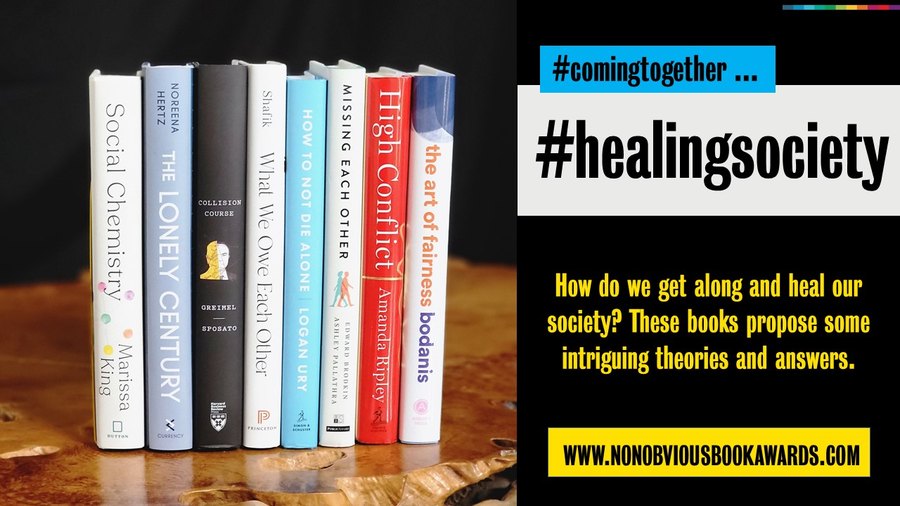
How do we get along and heal our society? These books propose some intriguing theories and answers.
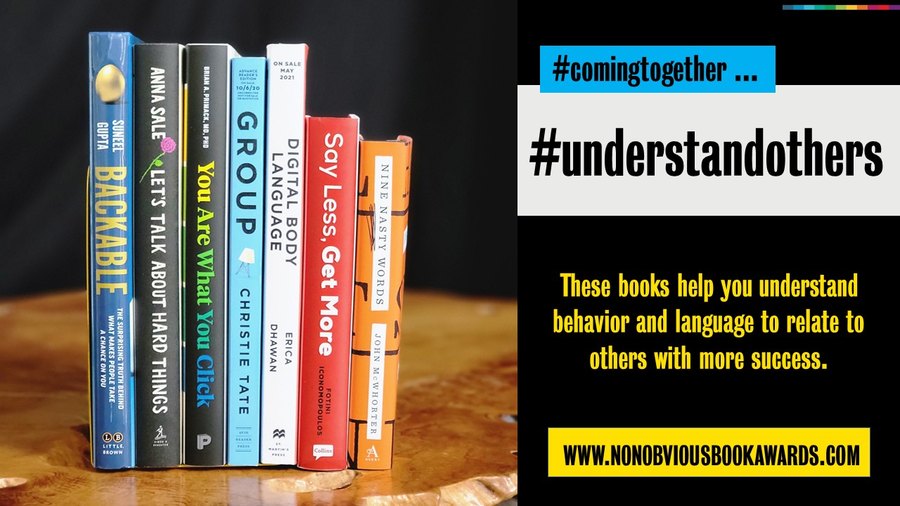
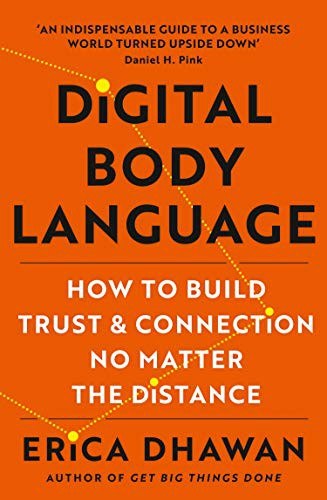
These books help you understand behavior and language to relate to others with more success.
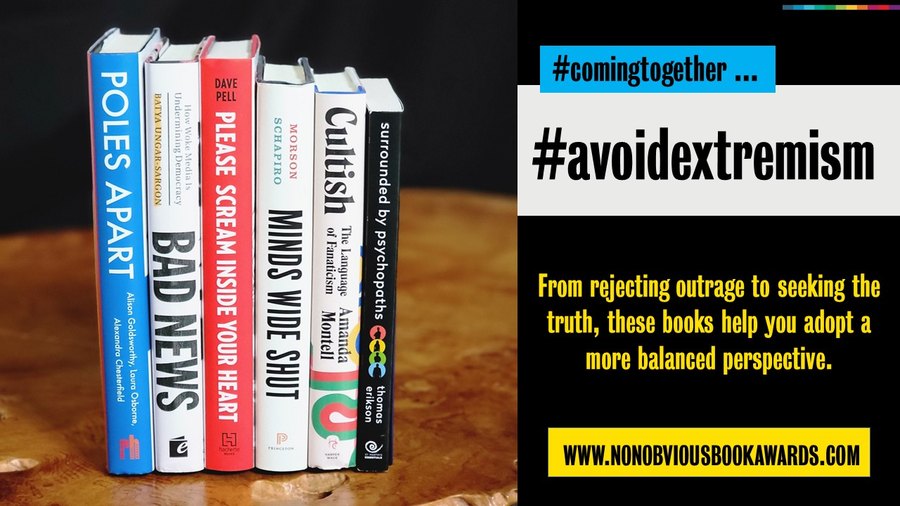
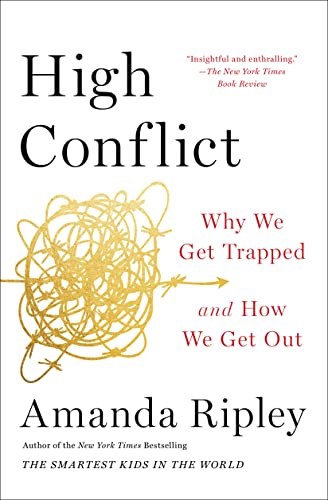
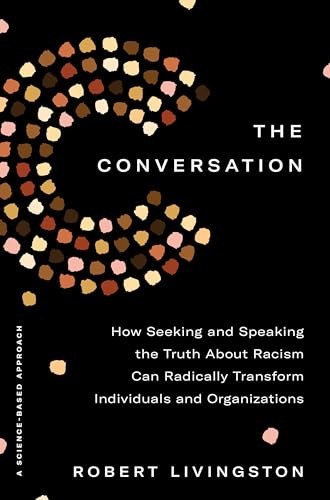
From rejecting outrage to seeking the truth, these books help you adopt a more balanced perspective.
One of the six overarching macro trends of 2021 — explored through the three micro-trends below.
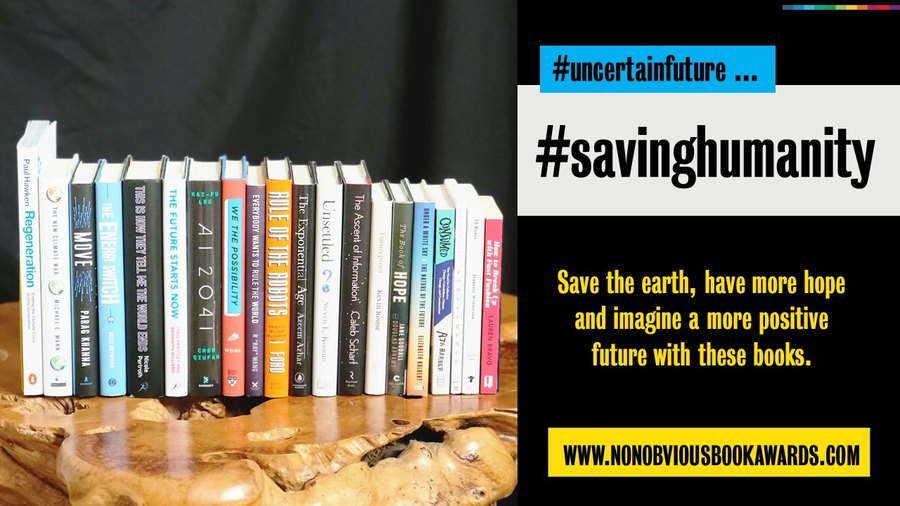
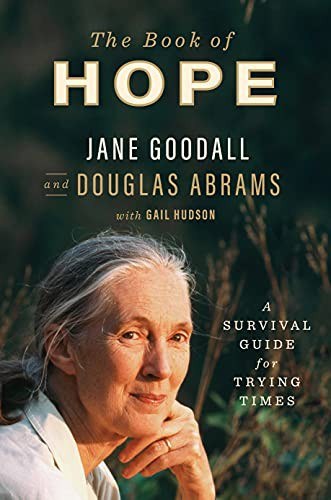
Save the earth, have more hope and imagine a more positive future with these books.
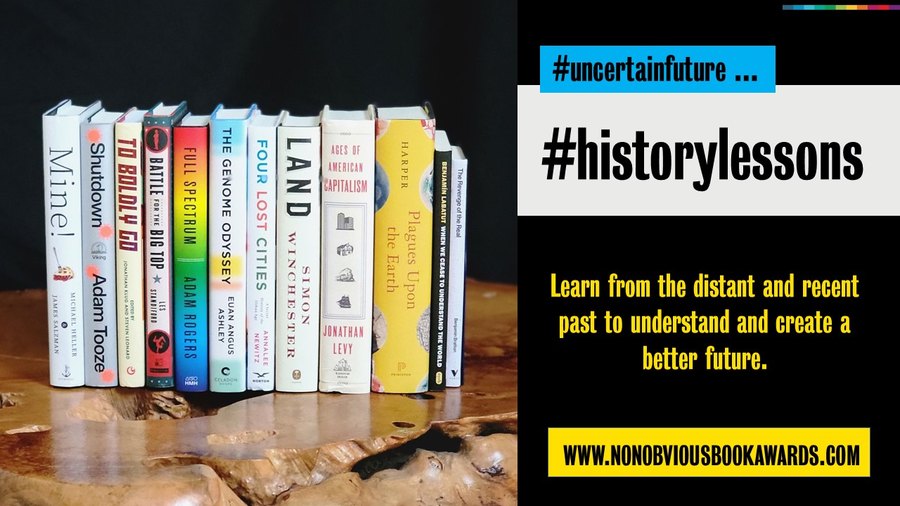
Learn from the distant and recent past to understand and create a better future.
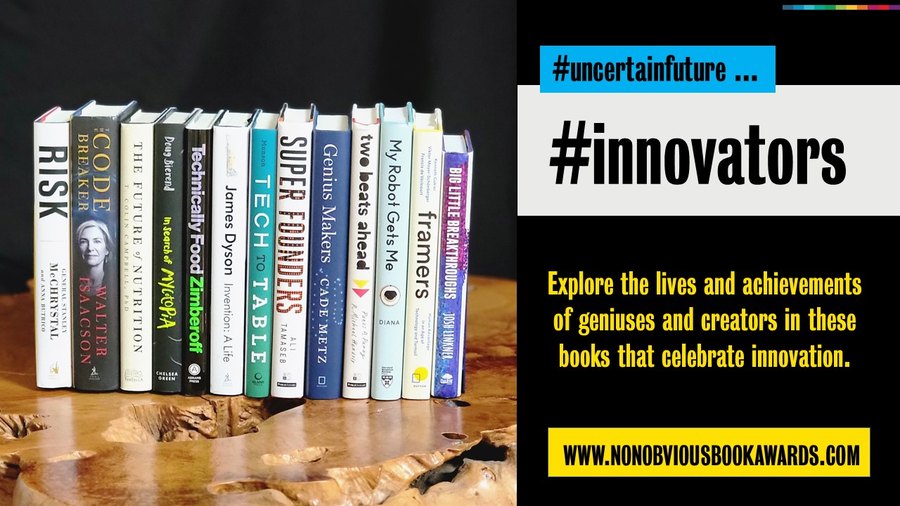
Explore the lives and achievements of geniuses and creators in these books that celebrate innovation.
One of the six overarching macro trends of 2021 — explored through the three micro-trends below.
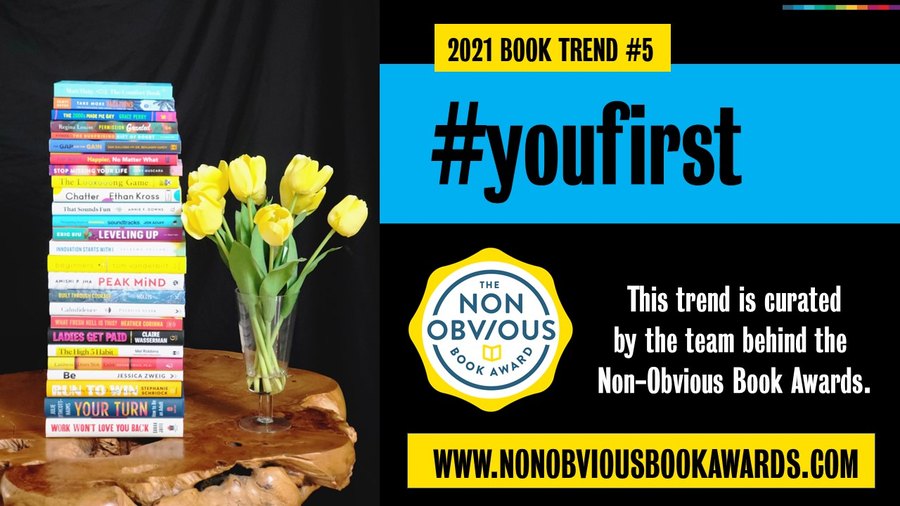
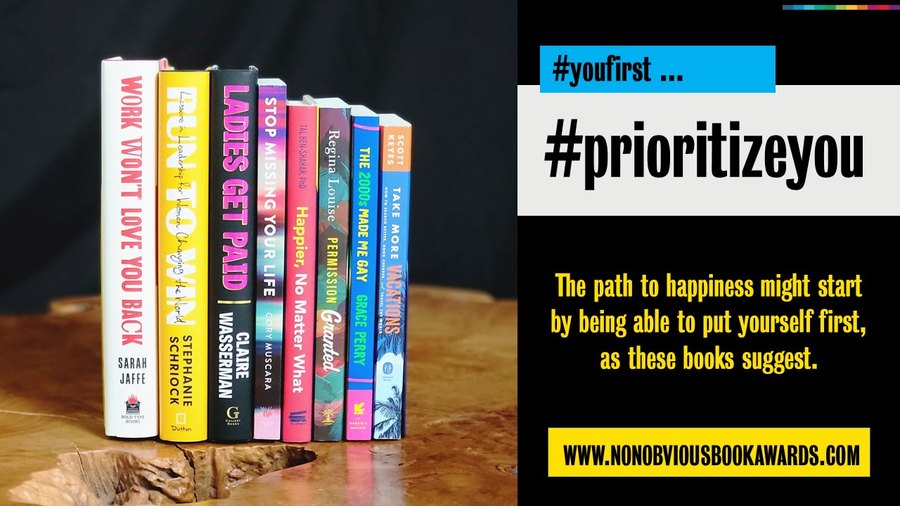
The path to happiness might start by being able to put yourself first, as these books suggest.
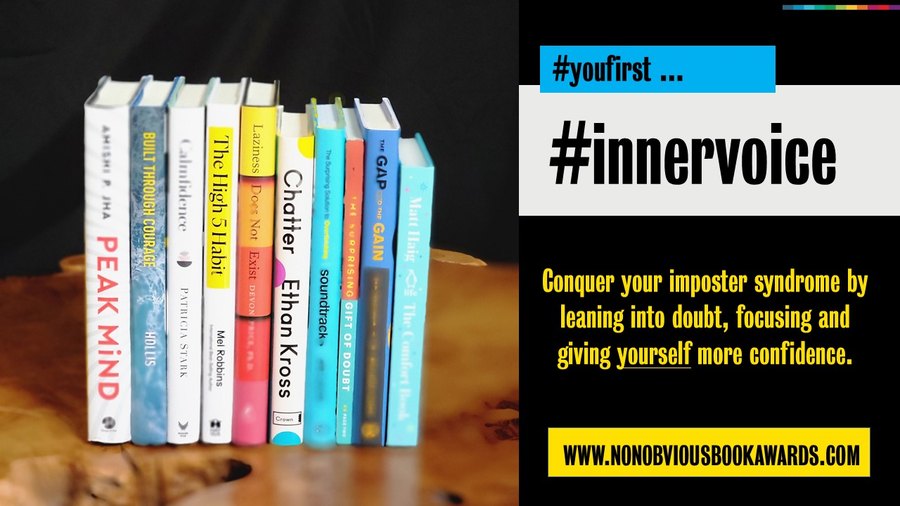
Conquer your imposter syndrome by leaning into doubt, focusing and giving yourself more confidence.
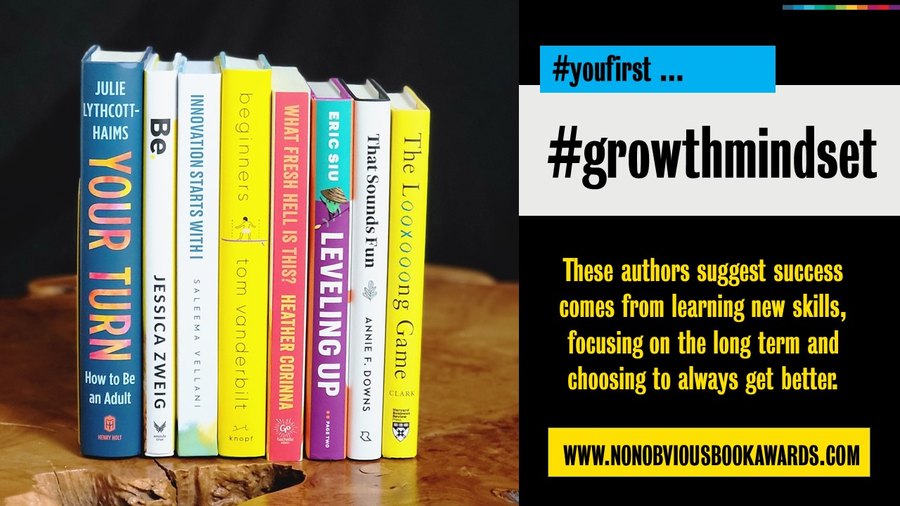
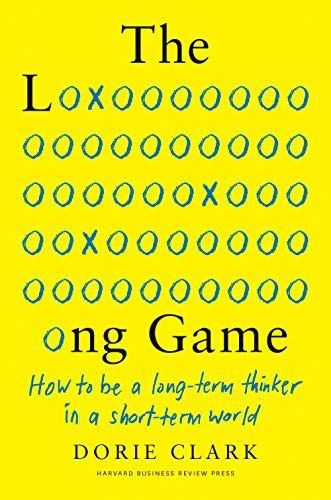
These authors suggest success comes from learning new skills, focusing on the long term and choosing to always get better.
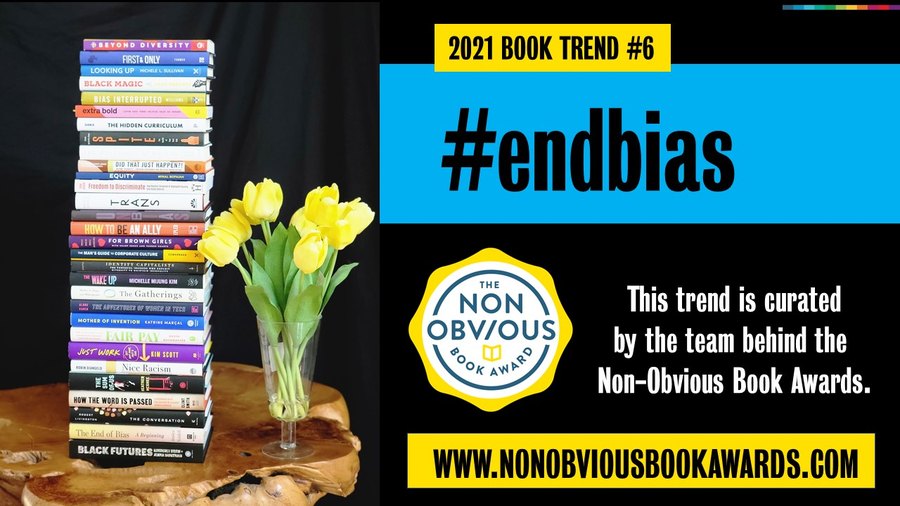
One of the six overarching macro trends of 2021 — explored through the three micro-trends below.
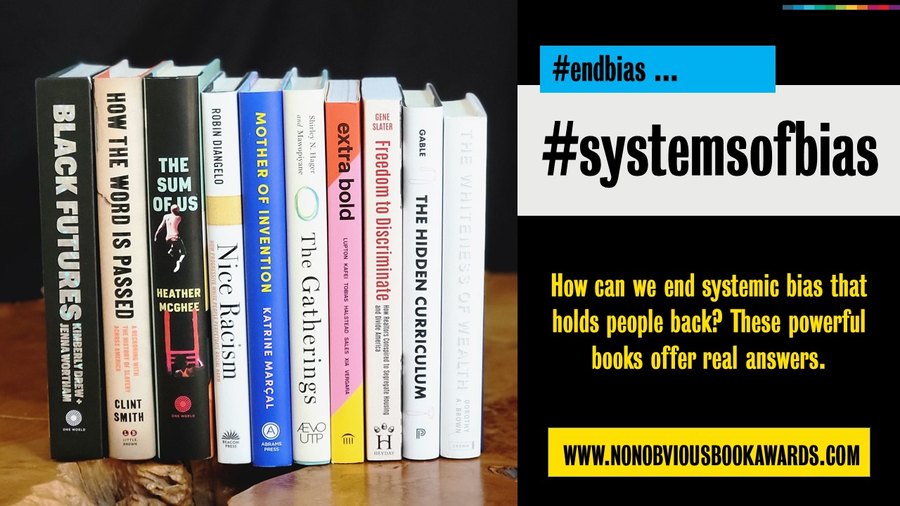
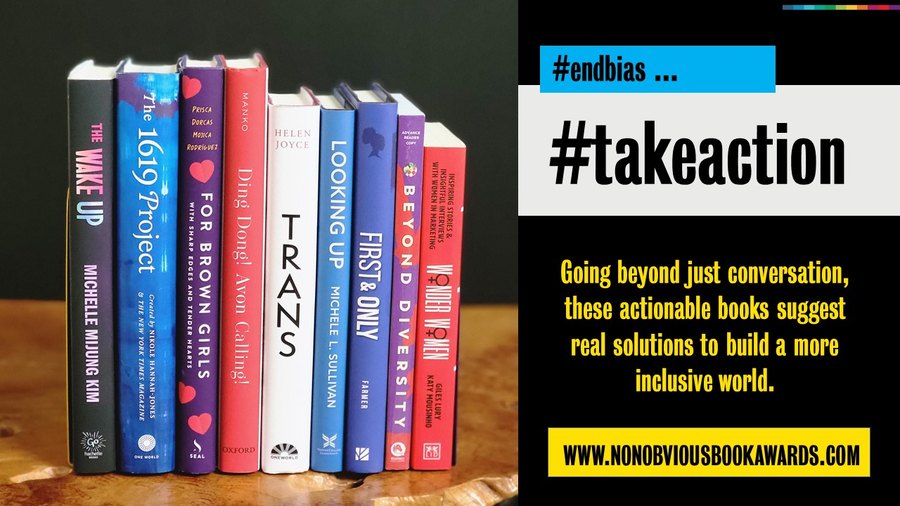
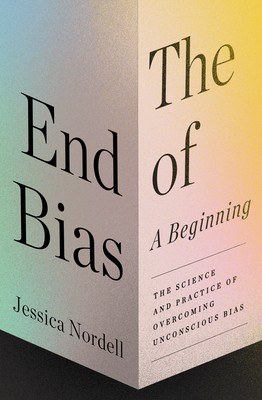
How can we end systemic bias that holds people back? These powerful books offer real answers.
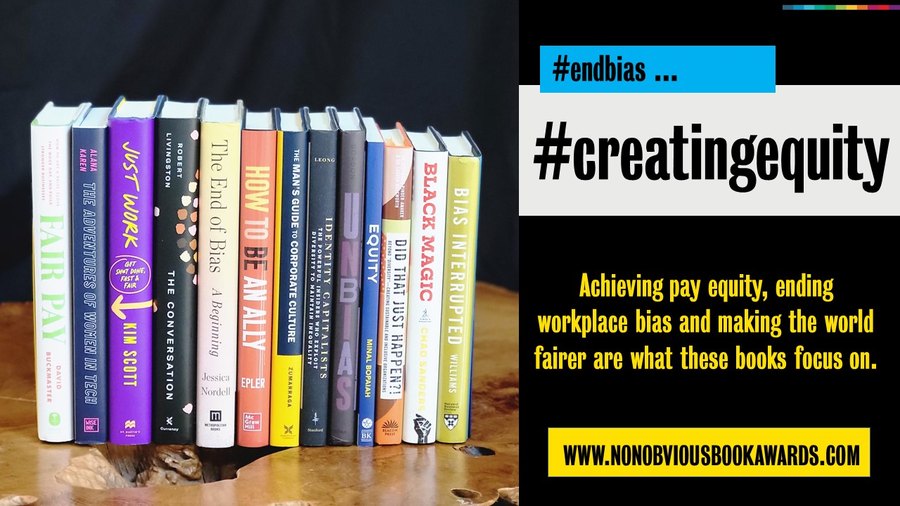
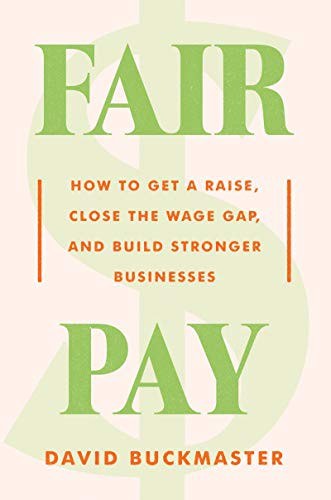
Achieving pay equity, ending workplace bias and making the world fairer are what these books focus on.
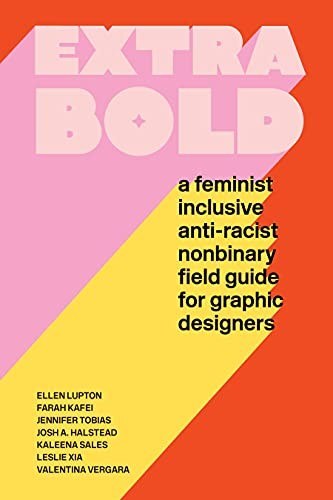
Going beyond just conversation, these actionable books suggest real solutions to build a more inclusive world.
The Shortlist
The finalists — narrowed from the longlist and revealed during the live announcement show.
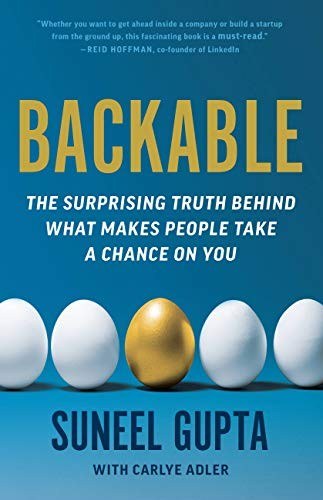
Suneel Gupta went from serial rejection to raising millions, then reverse-engineered why: people don’t back ideas, they back people who make them believe.
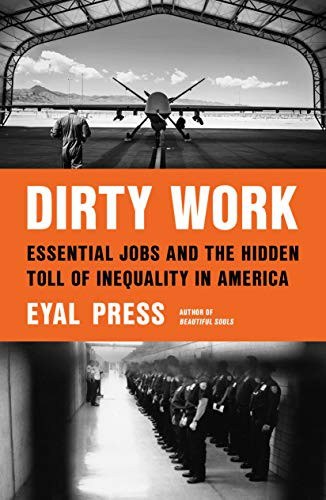
Eyal Press examines the morally troubling jobs society depends on but refuses to see, from drone operators to slaughterhouse workers, and asks who really bears the ethical cost.
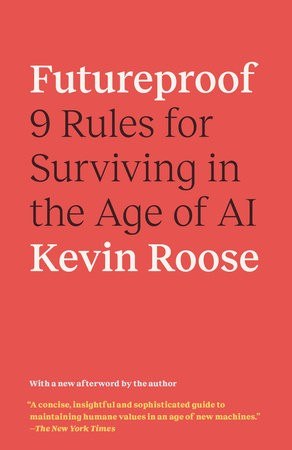
Kevin Roose’s nine rules for being human in the age of automation. Practical optimism for anyone worried about the robots.
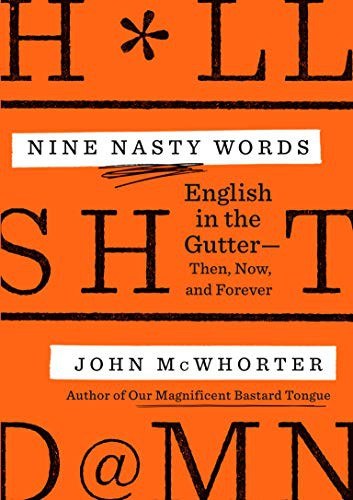
Linguist John McWhorter takes profanity seriously, tracing how our forbidden words evolved and what swearing reveals about the way language and taboo actually work.
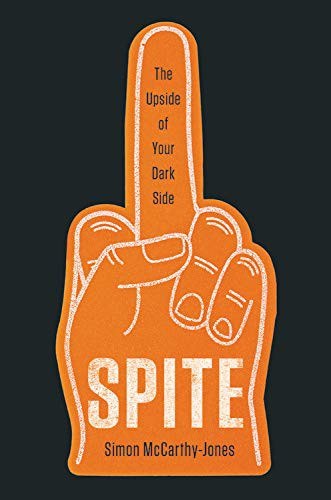
Psychologist Simon McCarthy-Jones explores our strangest motivation: the urge to hurt ourselves just to hurt someone else more, and why spite may secretly serve us.
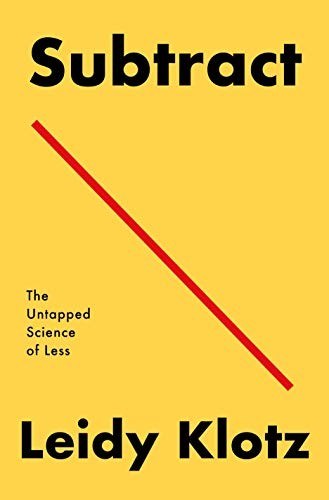
Engineer Leidy Klotz on the untapped science of less: why our instinct is always to add, and what becomes possible when we subtract instead.
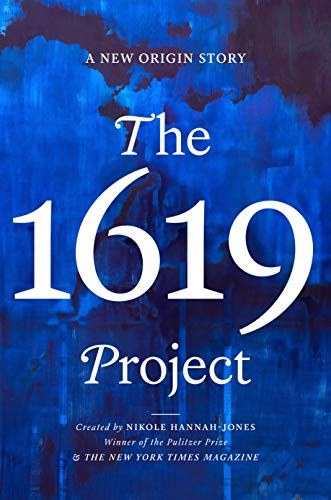
Nikole Hannah-Jones expands her Pulitzer-winning work into a sweeping reframing of American history that placed slavery and its legacy at the center of the national story.
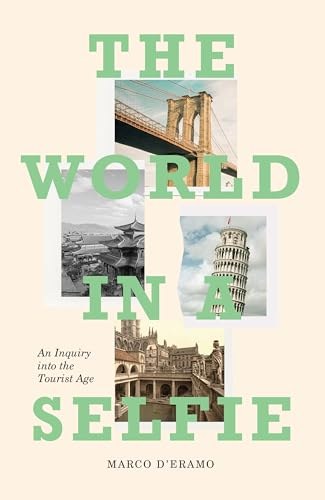
Marco D’Eramo’s provocative examination of the age of tourism, and what the industry that packages authenticity does to the places and people being visited.
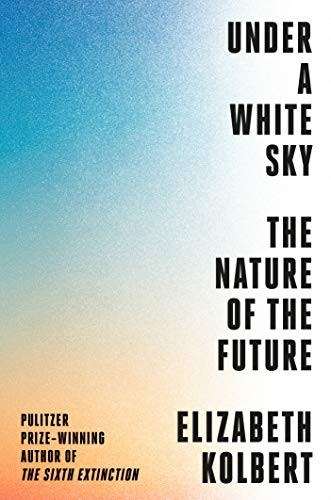
Elizabeth Kolbert reports on the scientists engineering nature to fix the problems we created by engineering nature. Clear-eyed, wry and quietly alarming.
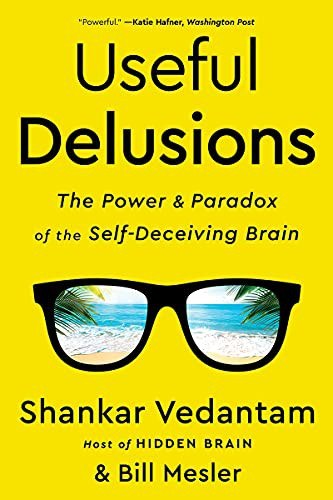
Hidden Brain host Shankar Vedantam makes the counterintuitive case that self-deception is not always a bug: some illusions hold lives, relationships and societies together.
The Longlist
Every longlist selection from 2021, listed alphabetically. Each of these books was read and selected by our review team from 1,000+ entries.


Your Turn
Entries for the 2026 Non-Obvious Book Awards are now open — and it costs nothing to enter.
How To Enter →
Stay Non-Obvious
Subscribe to the Non-Obvious Newsletter and get a weekly Non-Obvious Book of the Week recommendation, award winner announcements and the non-obvious stories 25,000+ readers look forward to every Thursday.
Subscribe Free →One email every Thursday. No spam, unsubscribe anytime.