The Award Archive
An extremely competitive year with more books submitted and considered than any previous year — five winners, ten shortlist selections and a longlist of the best non-fiction books of 2020, announced live in December 2020.
The year's biggest themes: a reckoning with inequality, angry politics, mentoring women, surprising origins, real inclusion, being yourself, choosing a more human future, kindness, broken truth — and making change.
The 2020 Winners
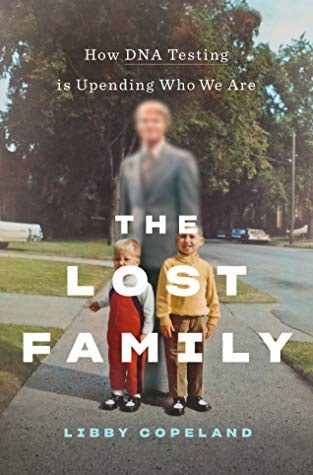
Libby Copeland explores how at-home DNA tests are upending identity, exposing family secrets and rewriting what it means to be related.
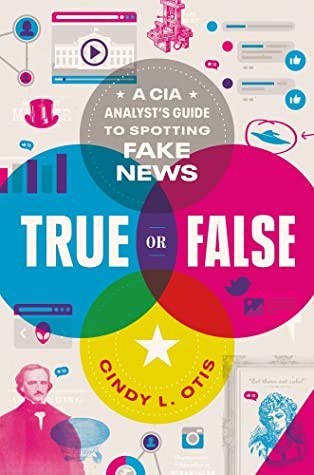
Former CIA analyst Cindy Otis delivers a practical guide to spotting misinformation and fake news. A skill that has only grown more essential every year since it won.
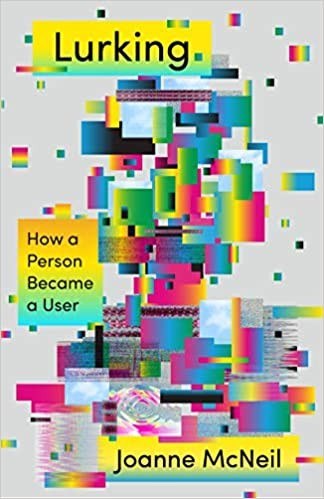
Joanne McNeil tells the history of the internet from the perspective that matters most and gets written about least: the user’s.
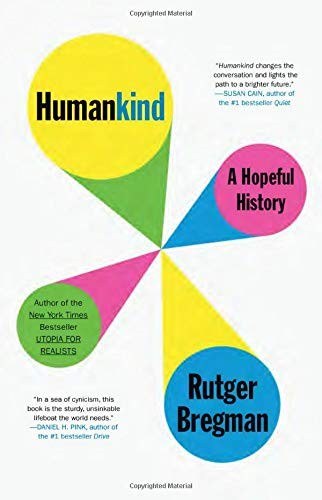
Rutger Bregman’s hopeful history argues that most people, most of the time, are fundamentally decent, and that believing it changes everything.
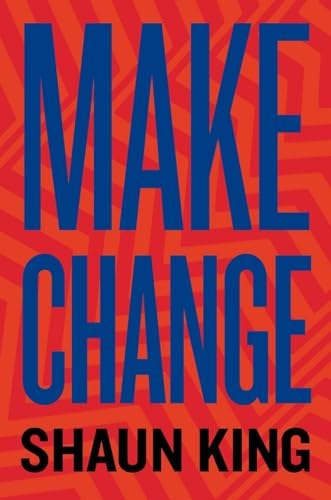
Activist Shaun King draws on his years at the center of modern movements to lay out how outrage becomes organized, durable change.
Watch The Announcement
The Biggest Book Trends of 2020
As part of our judging process, we curate the biggest trends from all non-fiction books that we evaluated throughout the year. Here are the ten biggest trends we identified from books published during 2020.
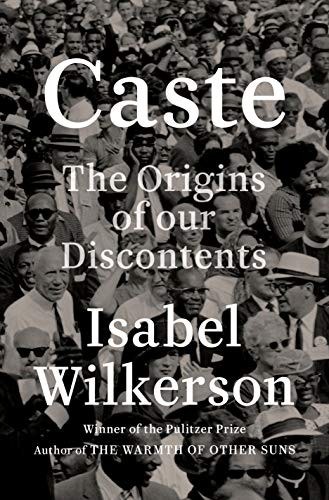
A year of reckoning produced books examining inequality across our financial systems, our politics and our housing — and what it costs all of us.
In a deeply political election year, a flood of books examined our angry politics and how outrage took over public life.
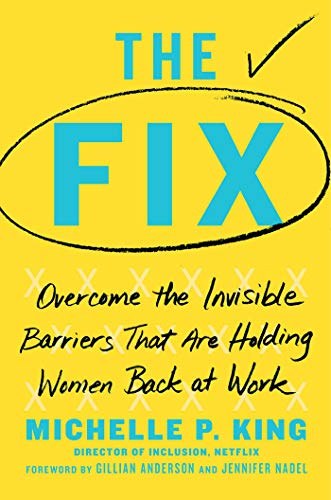
Books about helping more women succeed — from how organizations must change to how good guys can show up for the women they work with.
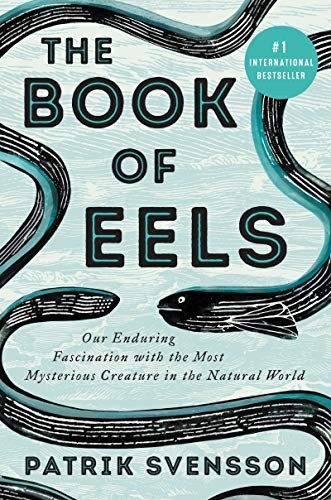
The surprising true origins of everyday things — coffee, breathing, cleanliness, even eels — and the truths hiding behind them.
Authors made the case for truly inclusive workplaces and communities, with voices that went far beyond diversity as a buzzword.
Permission slips to be confident in exactly who you are — from being happy in your body to embracing why average is awesome.
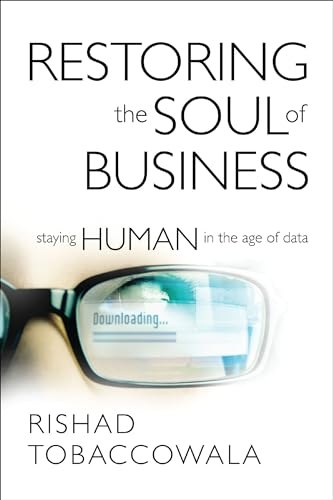
Books about humans versus technology, written with hope that we can still choose a more human future.
A counter-trend to a hard year: books showing that the world gets a little better when we help each other.
Amid fake news and media distrust, these books tackled the hardest question of 2020: what should we believe?
Playbooks for choosing a different path — innovation, reinvention and the decisions that create real change.
The Shortlist
The finalists — narrowed from the longlist and revealed during the live announcement show.
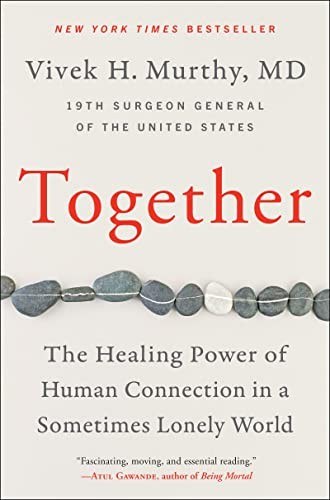
Former Surgeon General Vivek Murthy diagnoses loneliness as a public health crisis and prescribes the connection our bodies literally require. Written before the pandemic, it read like prophecy.
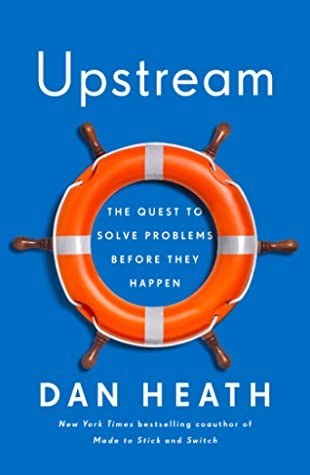
Dan Heath asks why we spend our lives responding to problems instead of preventing them, then shows how upstream thinkers stop trouble before it starts.
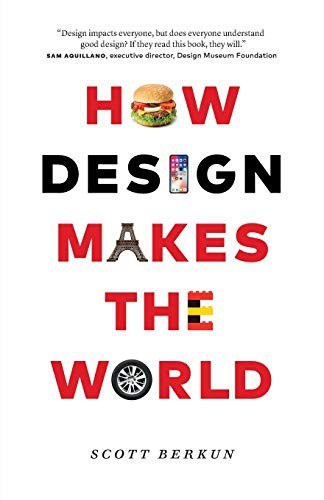
Scott Berkun reveals the design decisions hiding in everything around you, and gives everyone the vocabulary to ask why things work the way they do.
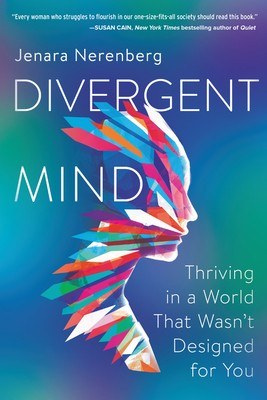
Jenara Nerenberg explores how autism, ADHD and other forms of neurodivergence show up differently in women, and how workplaces and families can stop missing them.
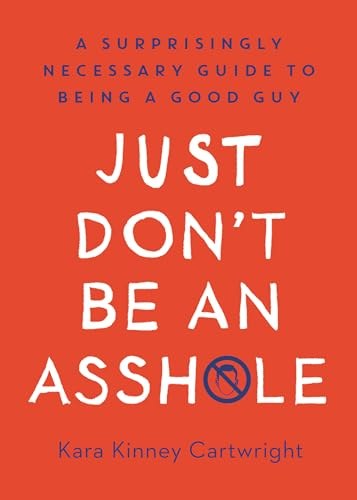
Kara Kinney Cartwright’s blunt, funny handbook for raising decent humans. Parenting advice compressed to its most honest essential.
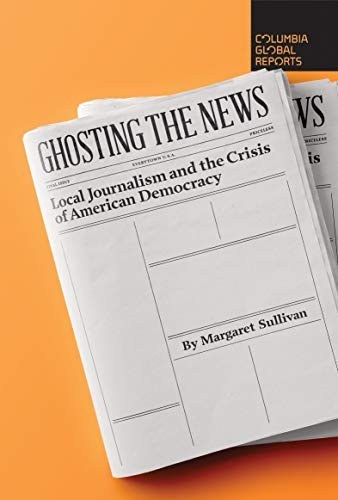
Washington Post media columnist Margaret Sullivan sounds the alarm on the death of local news, and explains what every community loses when the watchdogs disappear.
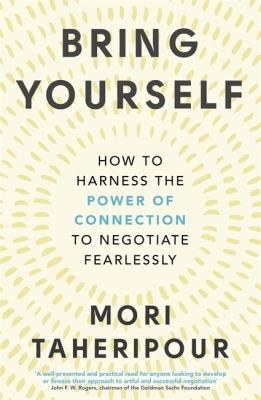
Negotiation expert Mori Taheripour flips the discipline on its head: the best deals come not from tactics but from showing up as your full, honest self.
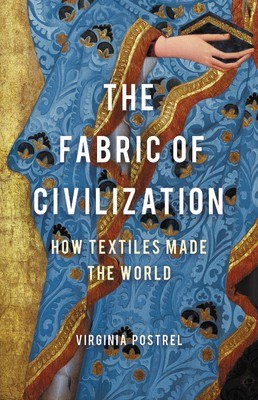
Virginia Postrel weaves the history of textiles into the history of civilization itself, showing how the cloth we ignore built trade, technology and empires.
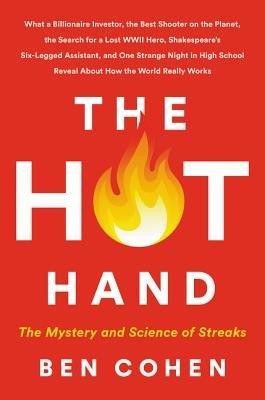
Wall Street Journal reporter Ben Cohen chases basketball’s most argued-about phenomenon through science, business and history to answer whether streaks are real.
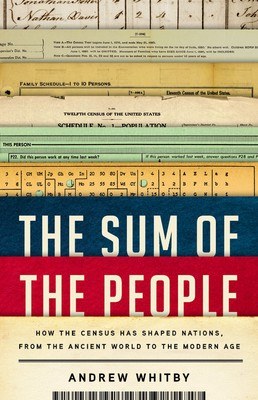
Data scientist Andrew Whitby tells the 3,000-year story of the census, and how the simple act of counting people has shaped power, identity and nations.
The Longlist
Every longlist selection from 2020, listed alphabetically. Each of these books was read and selected by our review team from 1,000+ entries.


Your Turn
Entries for the 2026 Non-Obvious Book Awards are now open — and it costs nothing to enter.
How To Enter →
Stay Non-Obvious
Subscribe to the Non-Obvious Newsletter and get a weekly Non-Obvious Book of the Week recommendation, award winner announcements and the non-obvious stories 25,000+ readers look forward to every Thursday.
Subscribe Free →One email every Thursday. No spam, unsubscribe anytime.